
Culture
A living culture across borders
Language, faith, food, dress, music and family life — the everyday Rohingya world that statistics cannot capture.
Everyday life
Six threads that hold the community together
The cultural DNA carried from Arakan into Bangladesh, Malaysia, Saudi Arabia, and every diaspora city where Rohingya families now live.
Language
Rohingya is an Indo-Aryan language close to Chittagonian, layered with Arabic, Persian, Urdu and Burmese vocabulary. It is written today in three ways: the Latin-based Rohingyalish for daily typing, the unique Hanifi Rohingya script (developed in the 1980s and now in Unicode) for cultural identity, and Arabic script for religious texts.
Faith
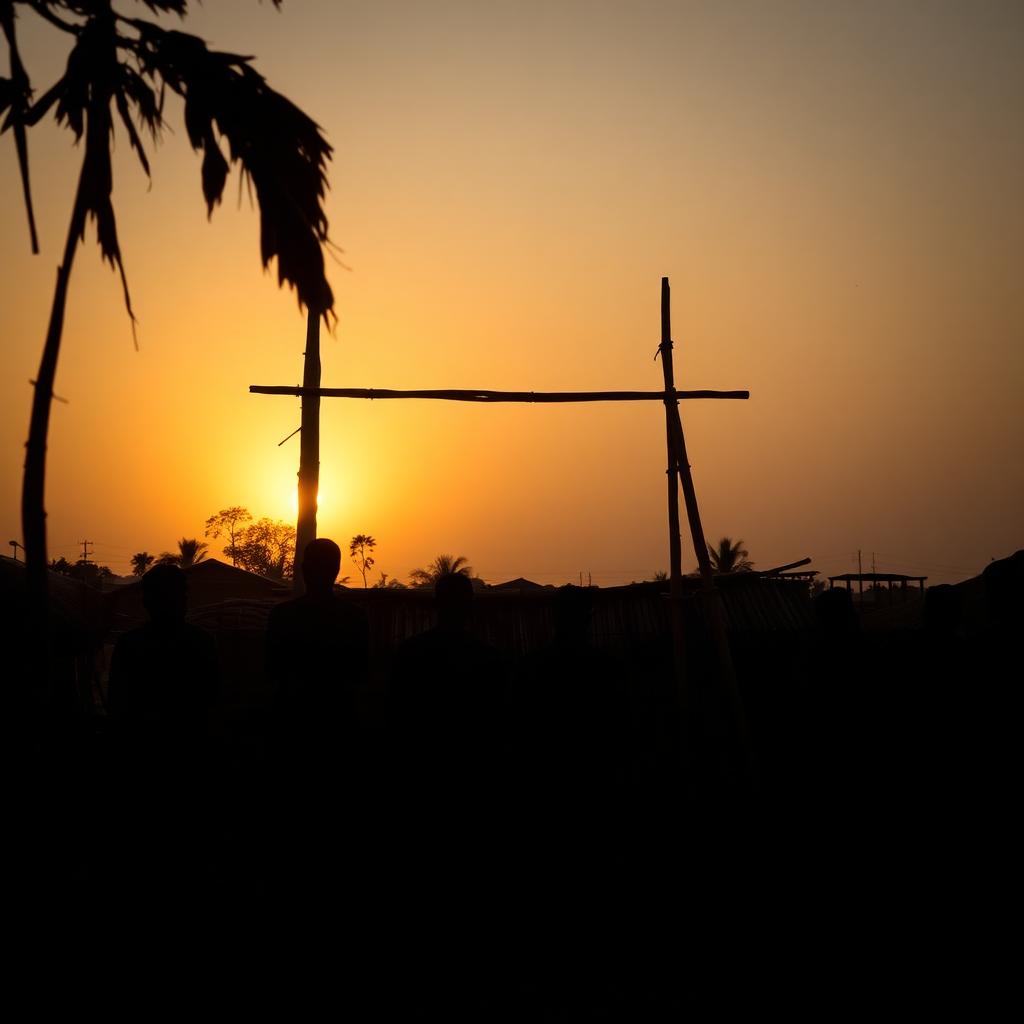
The vast majority are Sunni Muslims with deep Sufi roots — dhikr circles, veneration of local saints, and mawlid gatherings for the Prophet's birth remain living traditions. A small Hindu Rohingya community also exists, mostly displaced alongside their Muslim neighbours in 2017.
Food
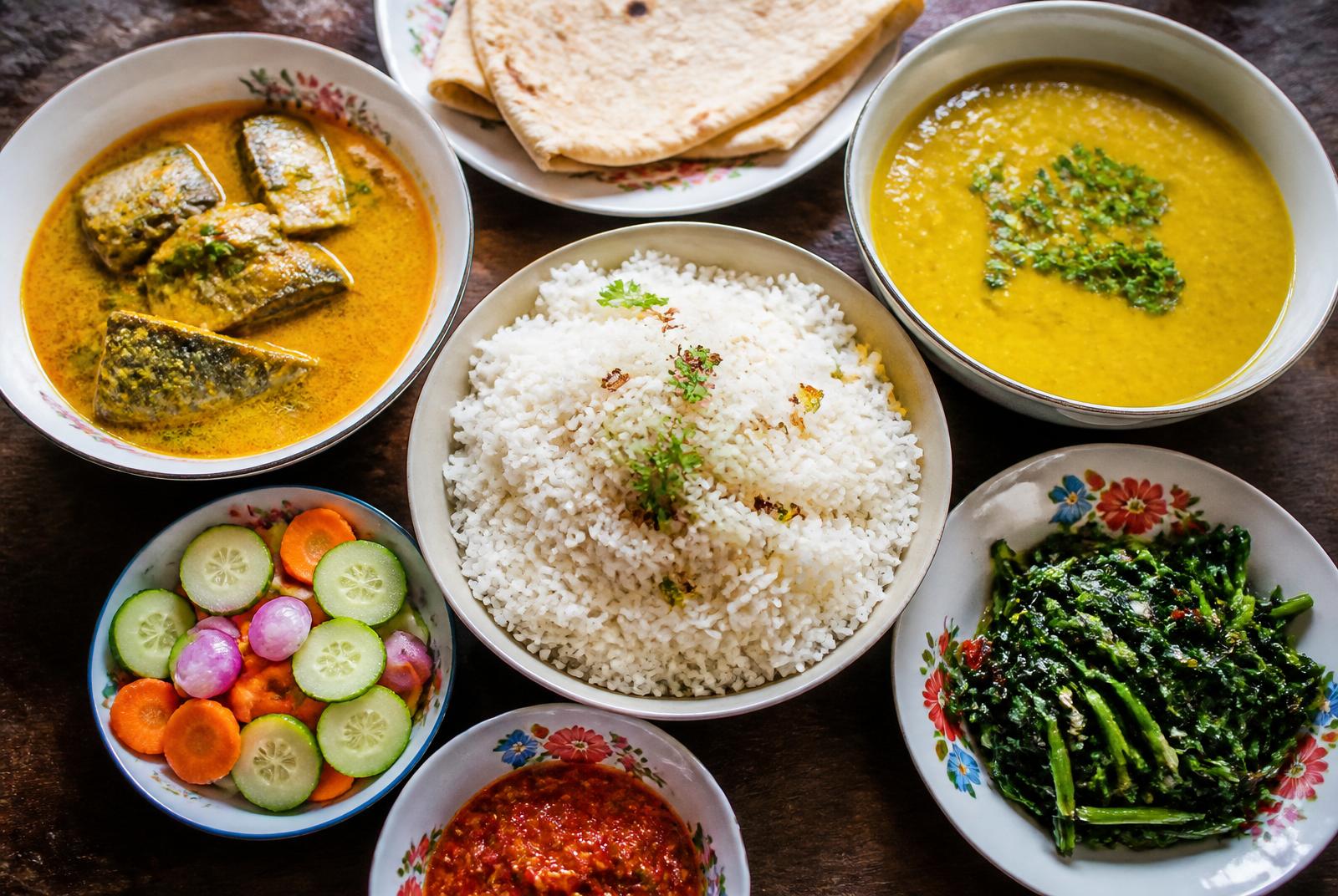
Rice with fish curry is the daily plate. Signature dishes include belacan-style dried shrimp paste (balachaung), fermented dried fish (nappi), beef bothua, pigeon curry, and betel-leaf paan. Holidays bring aromatic biryani, semai (sweet vermicelli) and pithas — steamed rice-flour cakes filled with jaggery and coconut.
Dress
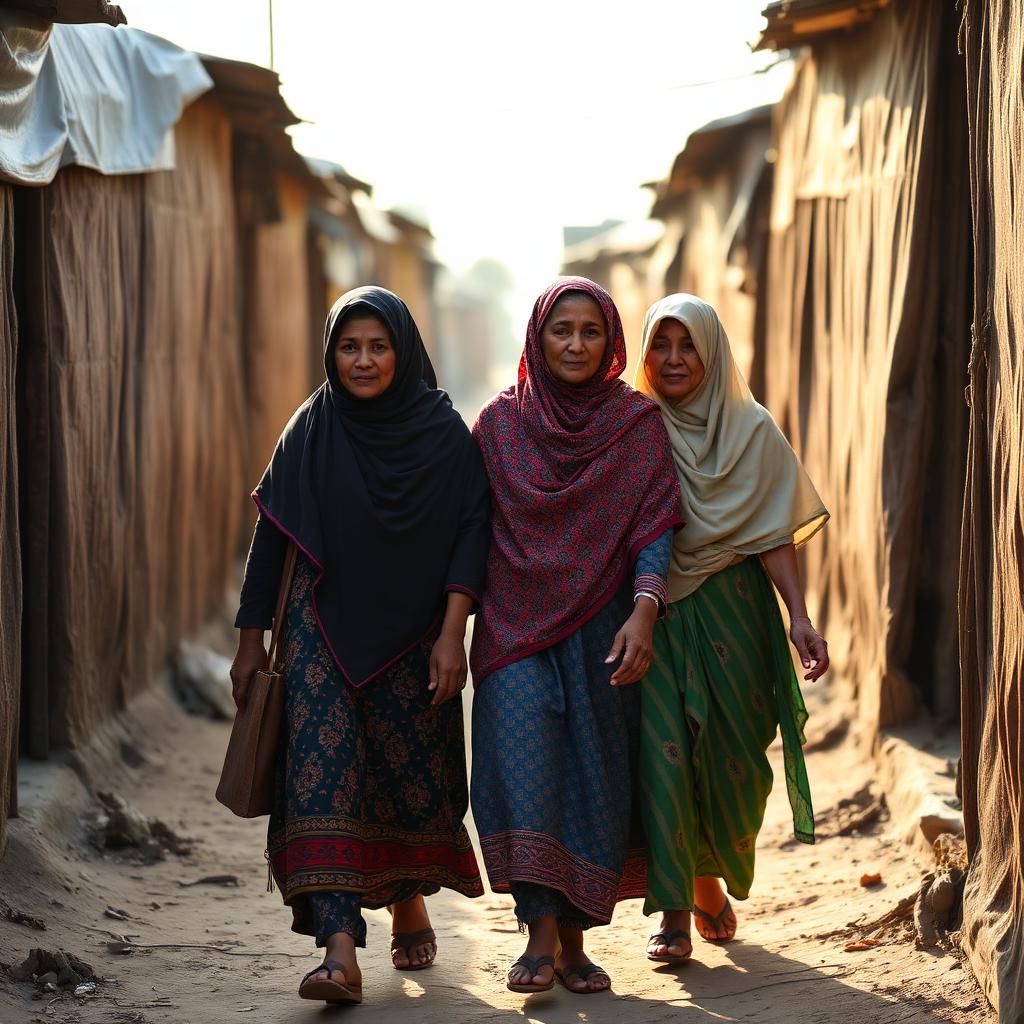
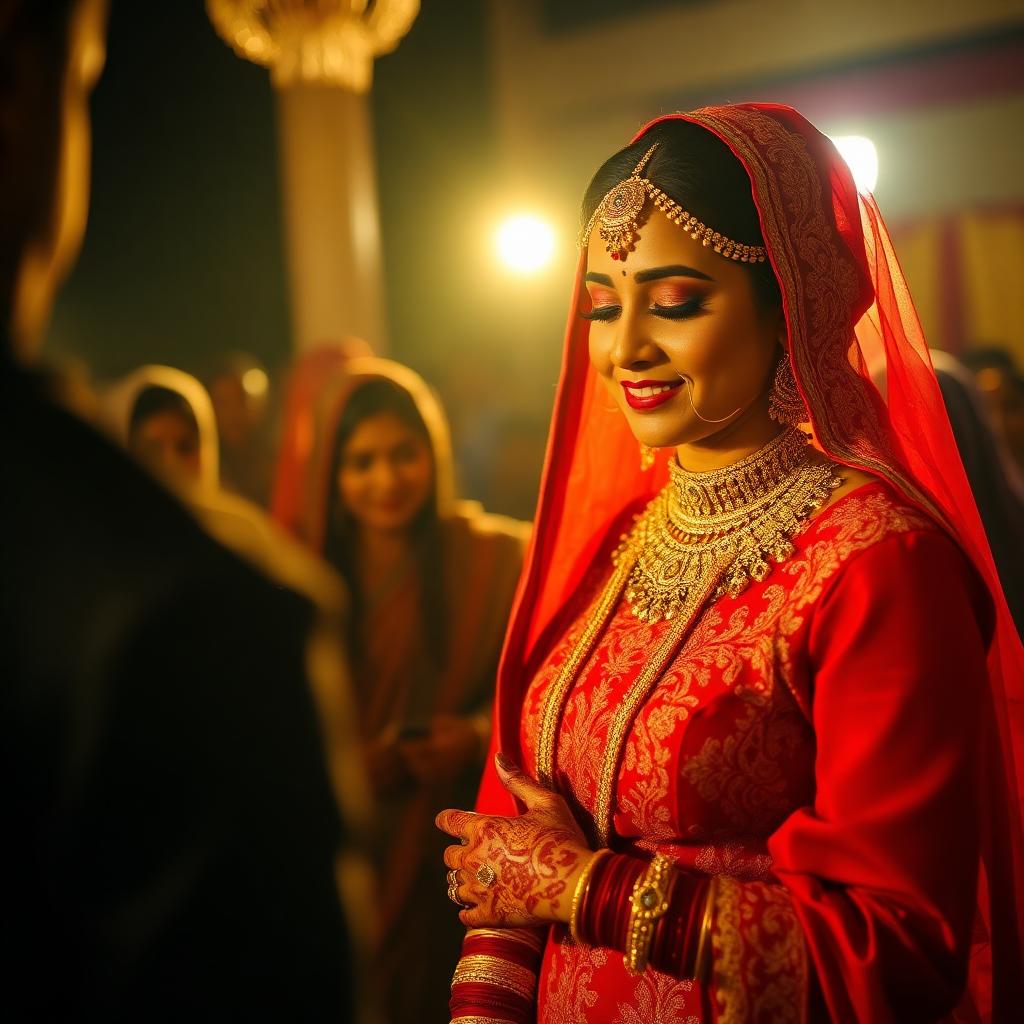
Men wear the longyi (a checkered sarong) with a shirt and often a white prayer cap or embroidered topi. Women wear thami or salwar kameez under bright orna scarves; brides wear deep red with heavy gold. Turmeric paste (holud) on the skin before a wedding is a shared Bay-of-Bengal ritual.
Music & oral poetry
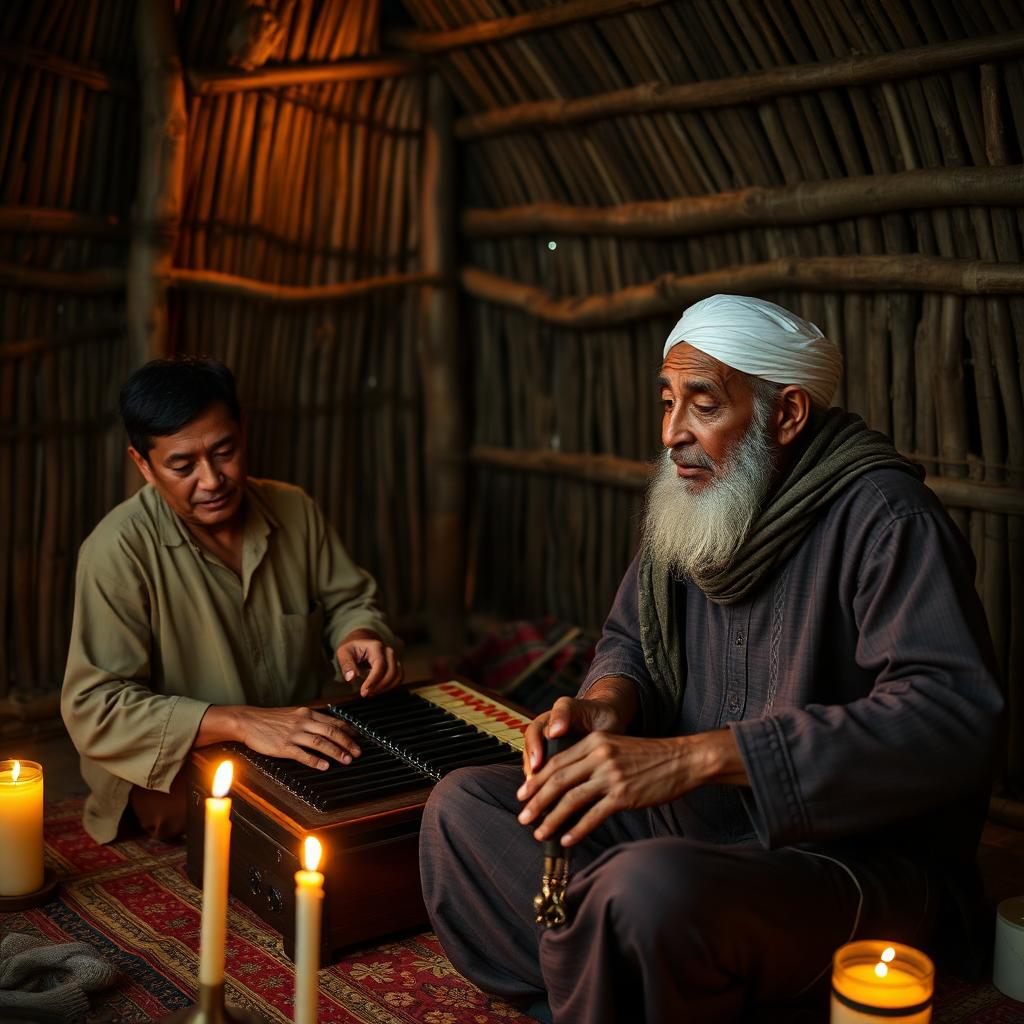
Folk songs (taranas), religious na'at and qasida, and the storytelling art of puthi — long narrative poems chanted from handwritten booklets — carry centuries of memory. New camp-born poets and rappers now record in Hanifi script and post to YouTube and TikTok.
Family & community
Extended families under one roof, neighbourhood elders (murubbi), and the imam form the backbone of social life. Hospitality is a defining value — a guest is fed first, even when the host has little. Disputes are often resolved by a shalish council of respected elders before ever reaching a court.
Celebrations & rites
The moments a Rohingya life is marked by
Birth, marriage, festival, learning, mourning — each with its own songs, foods and quiet rituals.
Eid al-Fitr & Eid al-Adha
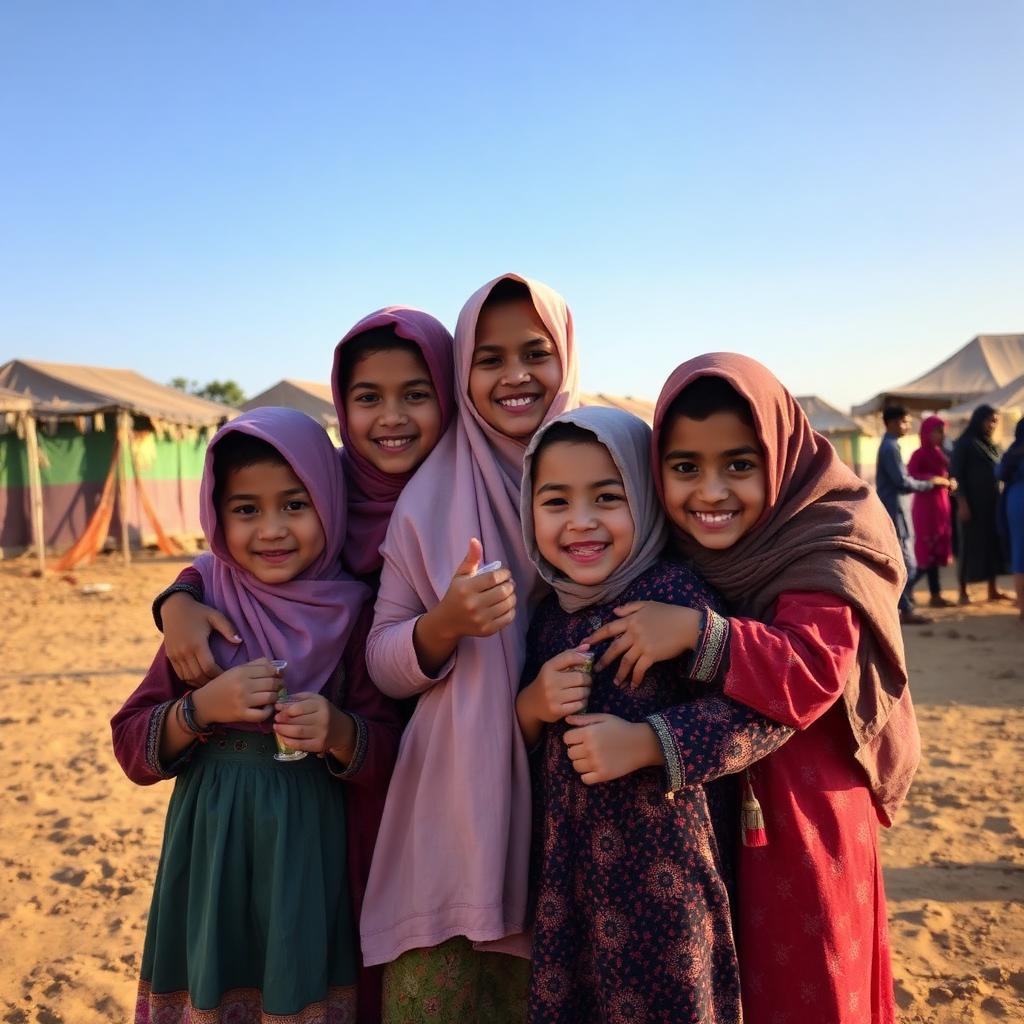
The two biggest festivals. Families wake before dawn, wear new clothes, embrace at the mosque, and share semai, biryani and freshly slaughtered meat with neighbours. Children collect eidi (small cash gifts) from every elder they greet.
Weddings (biya)
A multi-day celebration: gaye holud (turmeric night), nikah (Islamic marriage contract), and a walima feast hosted by the groom's family. Songs are sung by women in call-and-response, and the mahr (bridal gift) is publicly announced.
Aqiqa & naming
On the seventh day after a child is born, families shave the newborn's hair, weigh it in silver as charity, and sacrifice a goat or sheep. The name is announced and whispered into the baby's right ear as the call to prayer.
Learning circles
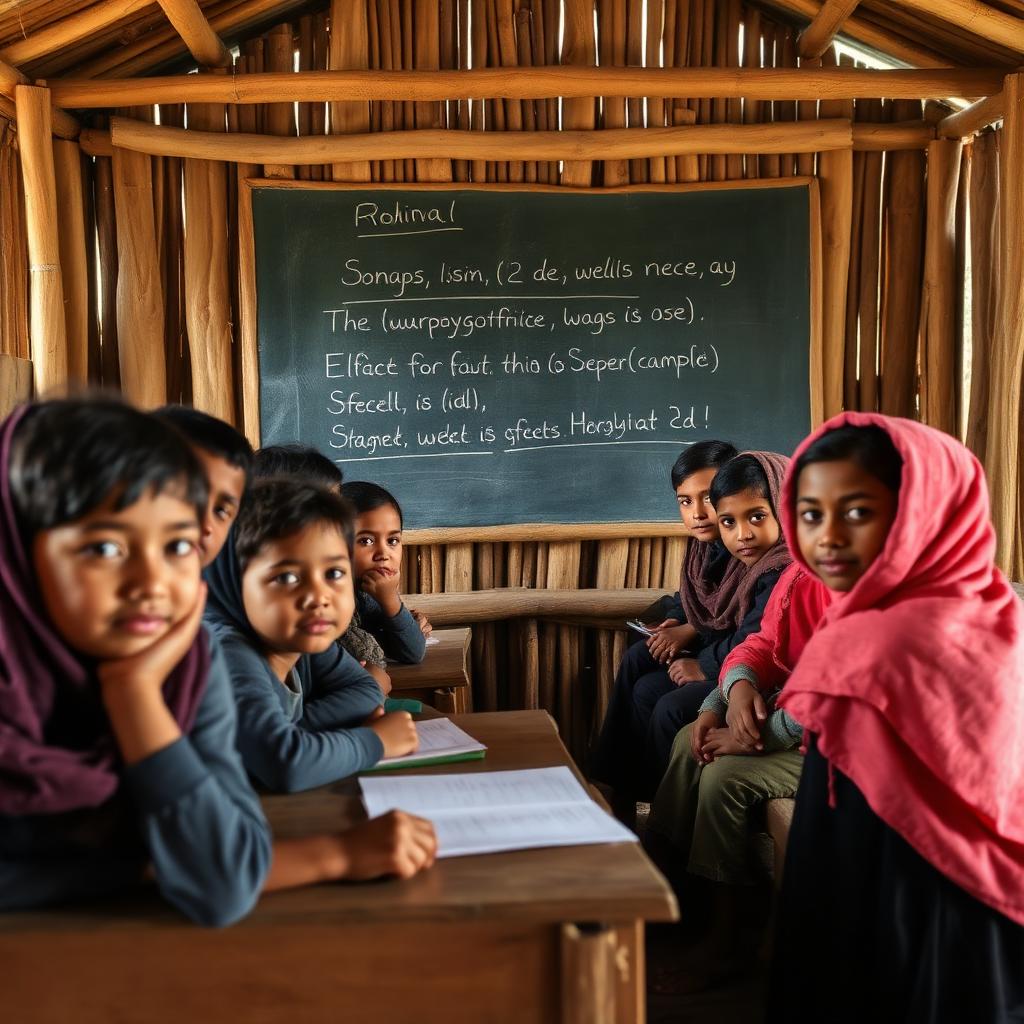
Maktabs (Quran schools) and hifz classes run in every neighbourhood — a rare space where camp children still study in their mother tongue. Bangladesh has recently allowed a Myanmar curriculum in some learning centres, a hard-won victory for Rohingya educators.
Elders & wisdom
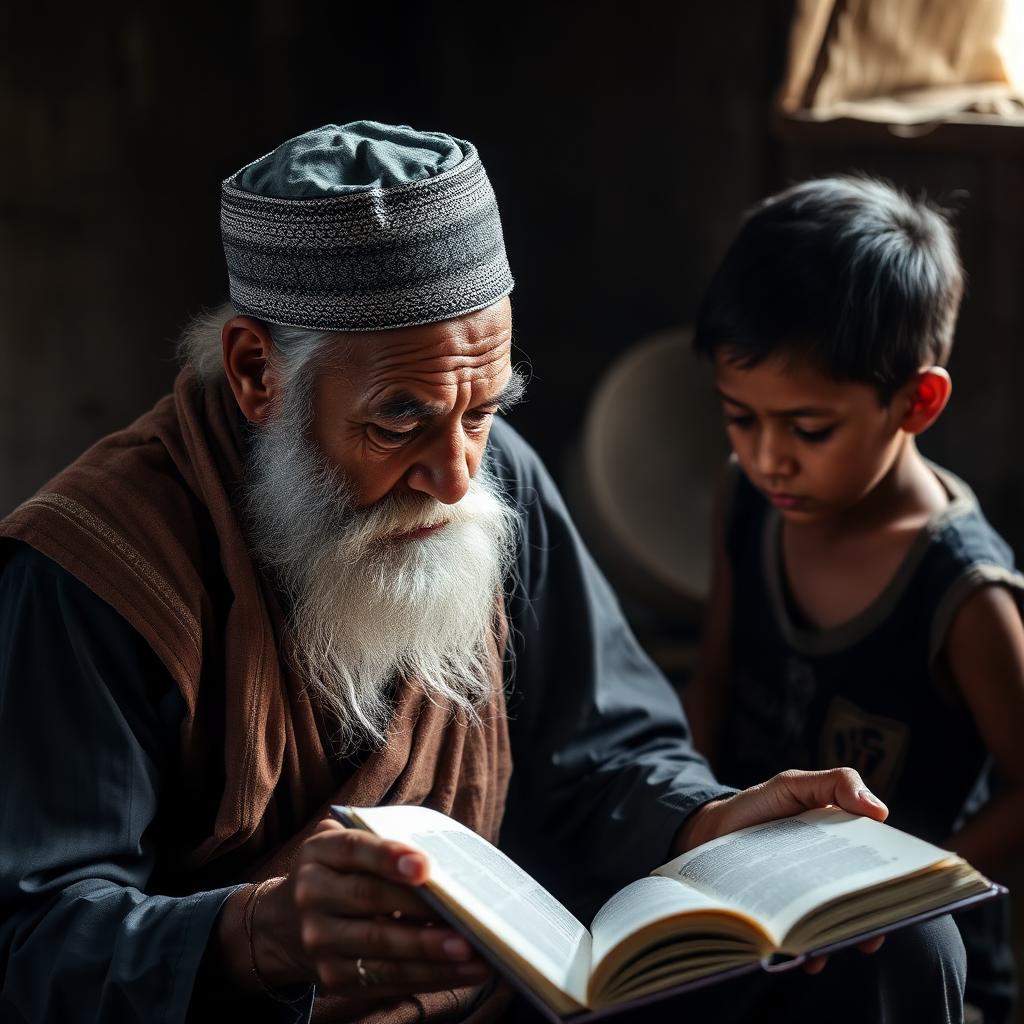
Grandparents are the living archive: they remember village names in Rakhine now bulldozed, oral genealogies, herbal remedies, and pre-1982 citizenship days. Young Rohingya researchers are racing to record them before that memory is lost.
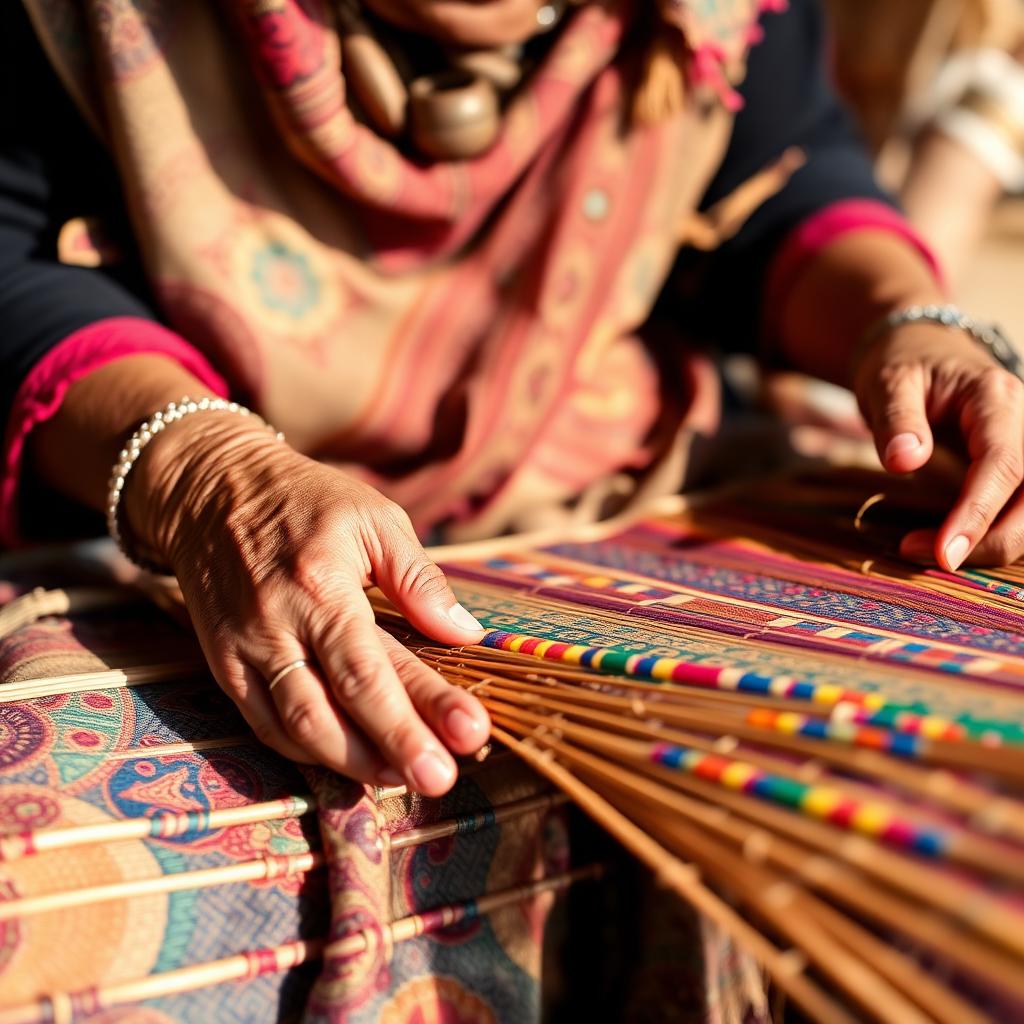
Crafts & handiwork
Women weave bamboo mats, embroider kantha-style quilts, and stitch tupi caps. In the camps, cooperatives now sell these crafts internationally — a small but growing source of dignity and income.
The everyday world
Tea shops, names, seasons, remedies and games
The small habits that make a culture — the parts rarely written down, and the first to fade in exile.
The tea shop
Every village and every camp block has one: benches, a kettle of cha boiled with milk and sugar, and a plate of bun ruti. It is where news travels, disputes cool down, work is arranged and, since 2017, where phones are charged and voice notes to relatives abroad are recorded.
Names and honorifics
Most names come from Arabic — Mohammed, Noor, Rashida, Anwara — often paired locally: Noor Kamal, Dil Mohammed. Elders are addressed as bhai/apa or murubbi, a religious teacher as maulvi or hujur, and a woman who has made hajj as hajiani. Getting the honorific right matters more than the name itself.
Seasons and work
Life in Arakan ran on two rice harvests, the monsoon from June to October, and the dry-season crab and fish catch on the Naf. In exile that calendar has no fields to attach to — the monsoon now means landslides and flooded shelters rather than planting, one of the quiet losses of displacement.
Healing and home remedies
Midwives (dhaiman) still deliver many babies, and herbal remedies — neem, black seed, turmeric paste, cupping — sit alongside clinic medicine. Ruqyah, healing through Qur'anic recitation, is widely practised. Health workers now train with dhaiman rather than against them, which has cut maternal deaths in the camps.
Games and pastimes
Children play gullidanda, marbles, kabaddi and endless barefoot football between shelters; kite-flying picks up after the monsoon. Adults play carrom and chess in the tea shop. Camp football tournaments, organised block by block, are among the few events that draw thousands together peacefully.
Proverbs and sayings
Rohingya wisdom is carried in short lines: “Who has no country still has neighbours.” “A guest brings his own sustenance.” “The river changes its course; the bank remembers.” Puthi reciters and grandmothers use them to teach children patience, hospitality and memory in a single sentence.
Culture now
What Rohingya culture is becoming
Nine years into the largest displacement, the culture is not frozen — it is being rebuilt in Hanifi type, on phones, and across a dozen countries.
A digital generation
Camp-born poets, rappers and photojournalists publish in Hanifi and Rohingyalish on YouTube, TikTok and Facebook. Outlets run by Rohingya journalists — Rohingya Khobor, Kaladan Press, Rohingya Vision — now report on their own community rather than being reported about.
Schooling, slowly won
The Myanmar curriculum has been phased into learning centres in Cox's Bazar, giving children accredited study in Burmese and their own history for the first time. Funding cuts in 2026 put education among the first services trimmed — the pilot remains fragile.
Diaspora anchors
Communities in Malaysia, Saudi Arabia, Pakistan, India, the UAE, the US, the UK, Ireland, Canada, Australia and Japan run mosques, mother-tongue weekend classes and remittance networks. Money sent home through these networks is, for many camp households, the difference the ration no longer makes.
Archiving before it is lost
Young researchers record elders' village names, genealogies, songs and recipes; the Hanifi script's 2018 Unicode encoding means those recordings can finally be written down in the community's own letters. Our digital museum is part of the same effort.
Objects, manuscripts and architecture behind these traditions are catalogued in our digital museum, the events shaping daily life right now are tracked on the news page, and you can meet some of the people carrying this culture forward →
Honest picture
The hard parts too
No culture is only beautiful. These are the tensions Rohingya thinkers, women leaders and imams are openly working on — worth naming, not hiding.
Erosion of the language
With schooling in Bangla, Burmese or Arabic and almost none in Rohingya, a generation is growing up fluent in speech but unable to write their mother tongue. Hanifi script literacy remains under 5% of the community.
Early marriage
Displacement, poverty and the collapse of schooling have pushed the average marriage age down. Community leaders, women's groups and imams are increasingly speaking against it — but the pressure of camp life keeps it alive.
Gender restrictions
Purdah norms limit women's movement outside the home, and female literacy is roughly half that of men. Yet Rohingya women lead many of today's most effective camp initiatives — from midwifery to human-rights documentation.
Loss of homeland practice
Rituals tied to specific Rakhine villages — shrine visits, harvest songs, boat-launch blessings — cannot be performed in exile. Diaspora families reconstruct them from memory, often incompletely.
Intra-community tensions
Displacement has strained old kinship ties. Camp politics, armed groups (ARSA, RSO) and clan rivalries sometimes turn violent. Most Rohingya reject these factions, but their presence shapes daily security.
A culture that keeps rebuilding
Despite it all, the Rohingya keep opening schools in bamboo huts, printing Hanifi children's books, launching podcasts and holding weddings under tarpaulin. Culture, for a stateless people, is itself an act of resistance.