
The full history
A thousand years of Rohingya history
From the 7th-century traders of Arakan to the camps of Cox's Bazar — a sourced, image-rich record across five eras and fourteen chapters.
Ancient & Medieval Arakan · 7th – 18th century
A coastline at the crossroads of two worlds
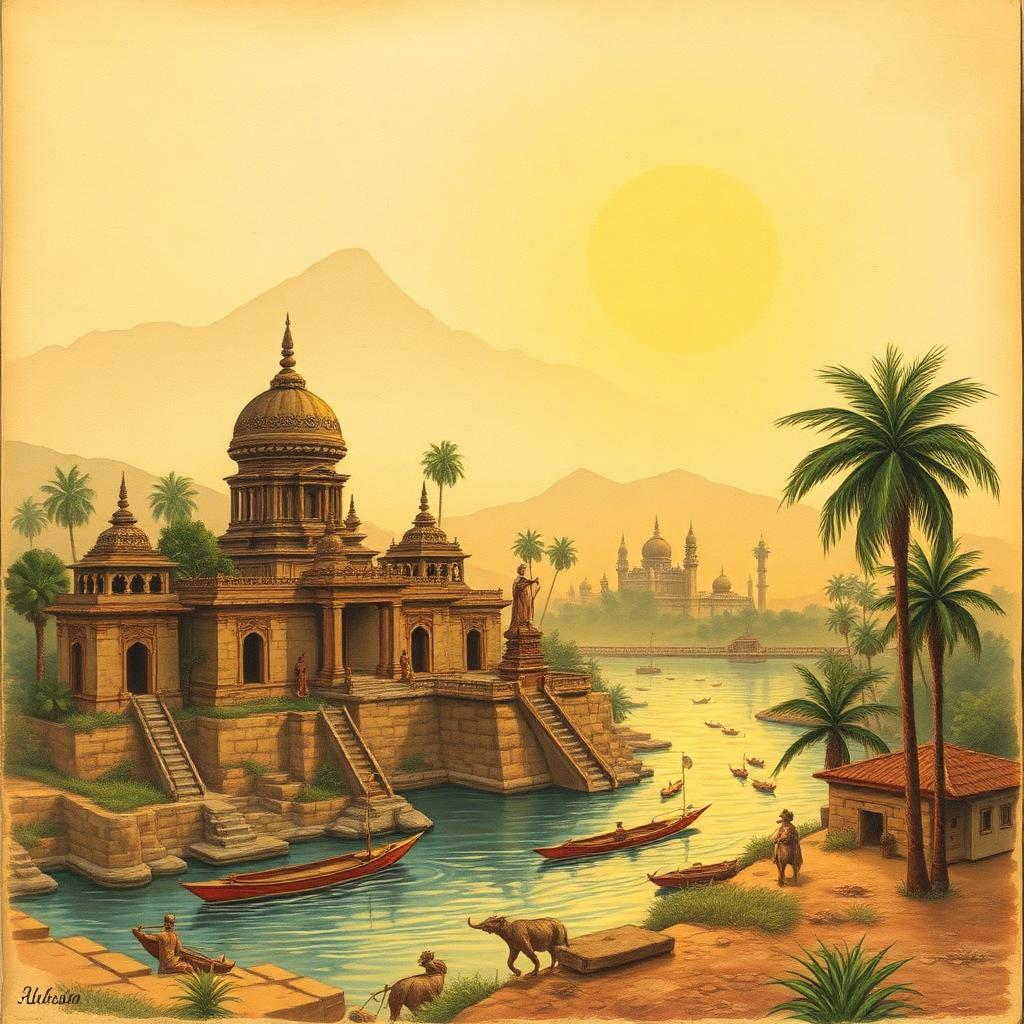
Long before modern borders, the coast of Arakan was a meeting point of Indian Ocean traders, Bengali sultanates, and Buddhist kingdoms. Arab and Persian Muslim merchants settled along the rivers from the 7th century onward, marrying into local communities and giving rise to the people who would become the Rohingya. By the 15th century, the Mrauk-U kingdom ruled a multi-faith state where Muslim viziers served Buddhist kings, court poets wrote in Persian, and Bengali was a courtly language.
- 1
7th – 15th century
Origins in Arakan
Arab and Persian Muslim traders settle along the Arakan coast and intermarry with local communities.
Read chapter
- 2
1430 – 1784
The Mrauk-U Kingdom
A multi-faith Arakanese empire that minted coins in Arabic and Bengali and rivalled the Mughals.
Read chapter
- 3
1784
Burmese Conquest of Arakan
The Konbaung dynasty annexes Arakan; mass killings and the destruction of the Mahamuni temple.
Read chapter
Colonial Era · 1826 – 1948
Drawn into a colonial map they did not draw
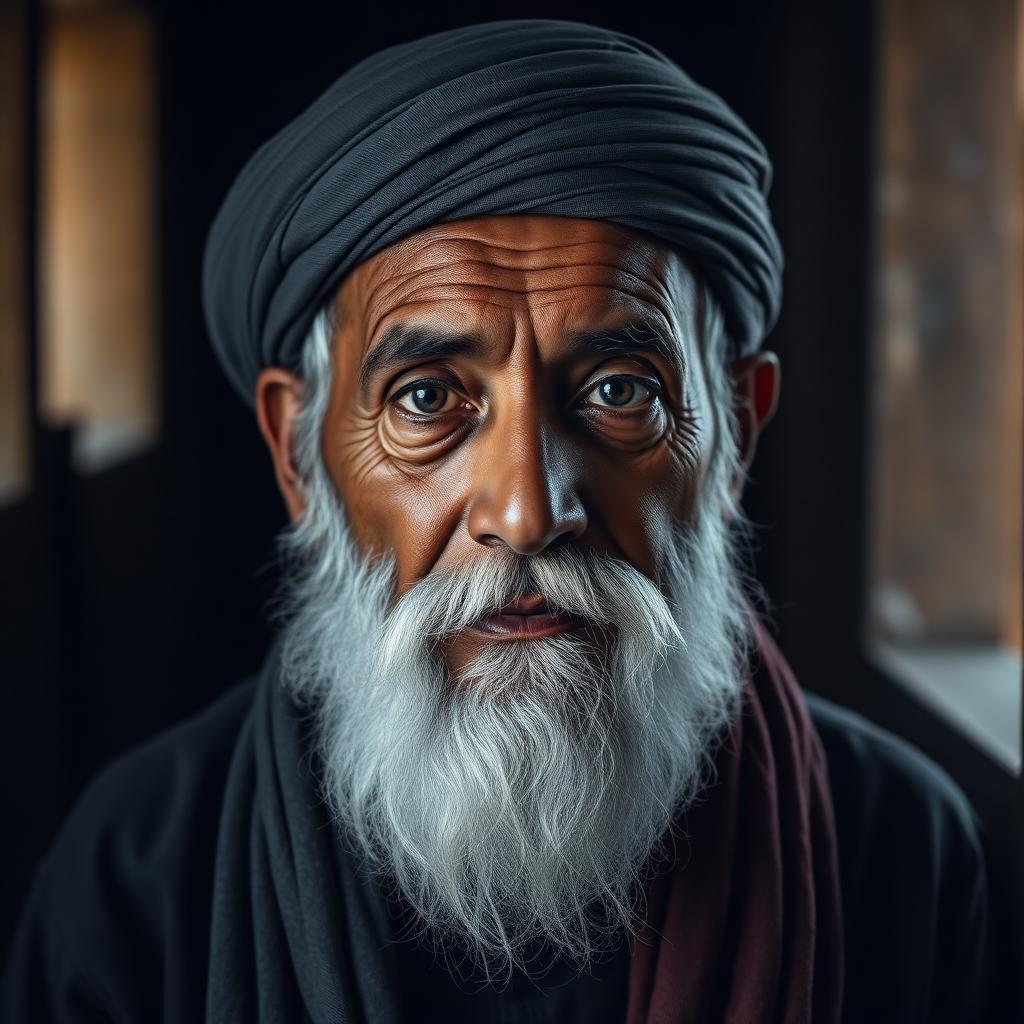
After the First Anglo-Burmese War, Arakan became part of British India and later British Burma. Cross-border movement — already centuries old — was now legally framed as 'migration' from Bengal into Burma, planting the seeds of the labels and grievances that would be weaponised a century later. In World War II, Arakan became a brutal front line: Rohingya communities largely sided with the British, Buddhist Rakhine with the Japanese, and entire villages on both sides were destroyed.
Independence & Erasure · 1948 – 1982
Promised citizens, denied a country
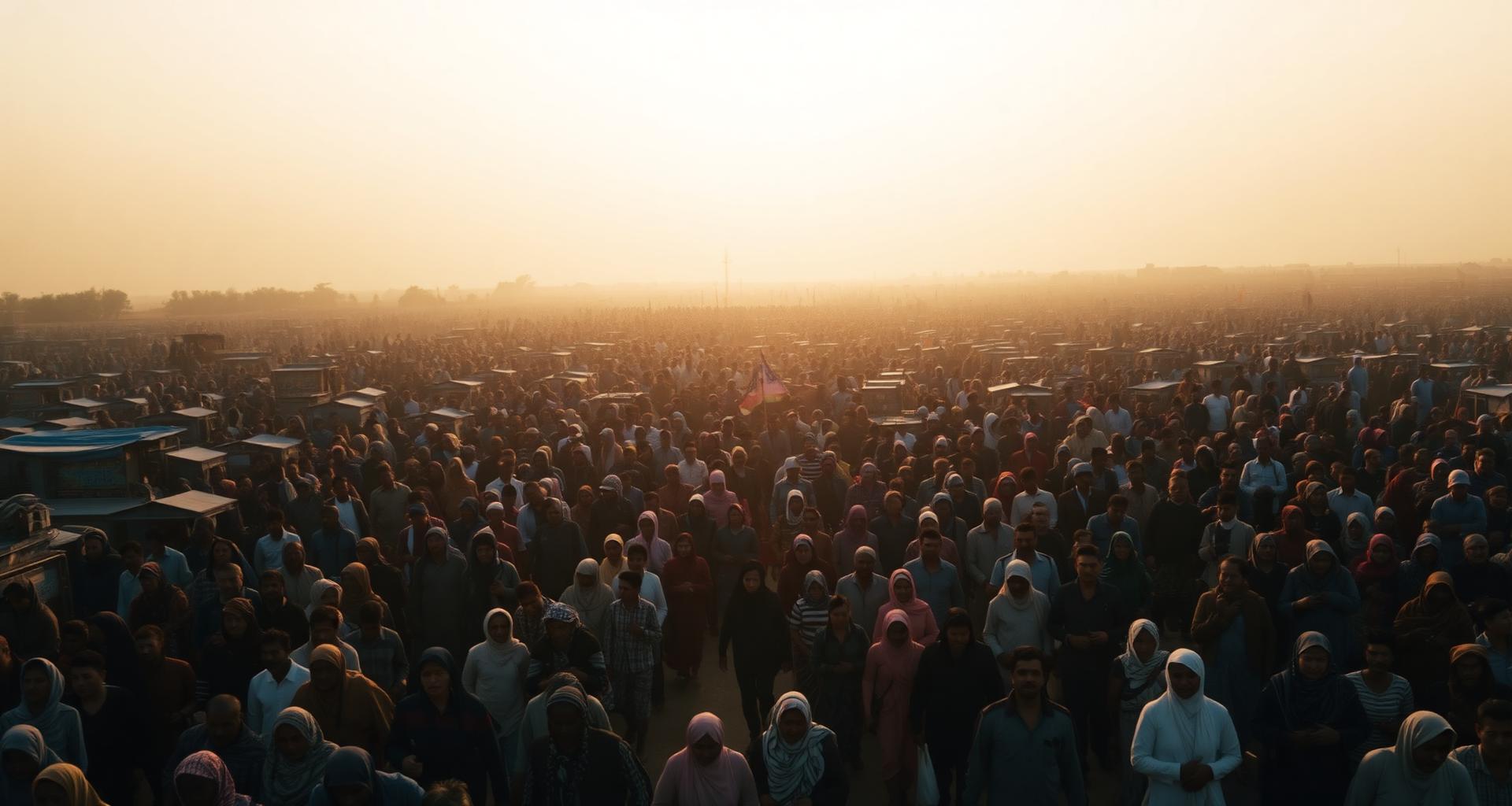
When Burma gained independence in 1948, Rohingya leaders served in parliament and the army; the language had a recognised place on state radio. Within a generation, military rule reversed all of it. Successive juntas chipped away at Rohingya rights — identity cards were withdrawn, mosques were closed, movement was restricted — and in 1982 a single Citizenship Law erased the Rohingya from Myanmar's list of recognised peoples, rendering them stateless overnight.
- 1
1948 – 1962
Post-Independence Burma
Rohingya elected to parliament; the language broadcast on state radio.
Read chapter
- 2
1962 – 1982
Military Rule & Erosion of Rights
Coups, mass surveillance, and the slow administrative stripping of Rohingya identity.
Read chapter
- 3
1982
The 1982 Citizenship Law
One law, three citizenship tiers, and a people written out of the nation.
Read chapter
Mass Expulsions · 1978 – 2017
Four waves. One repeating pattern.
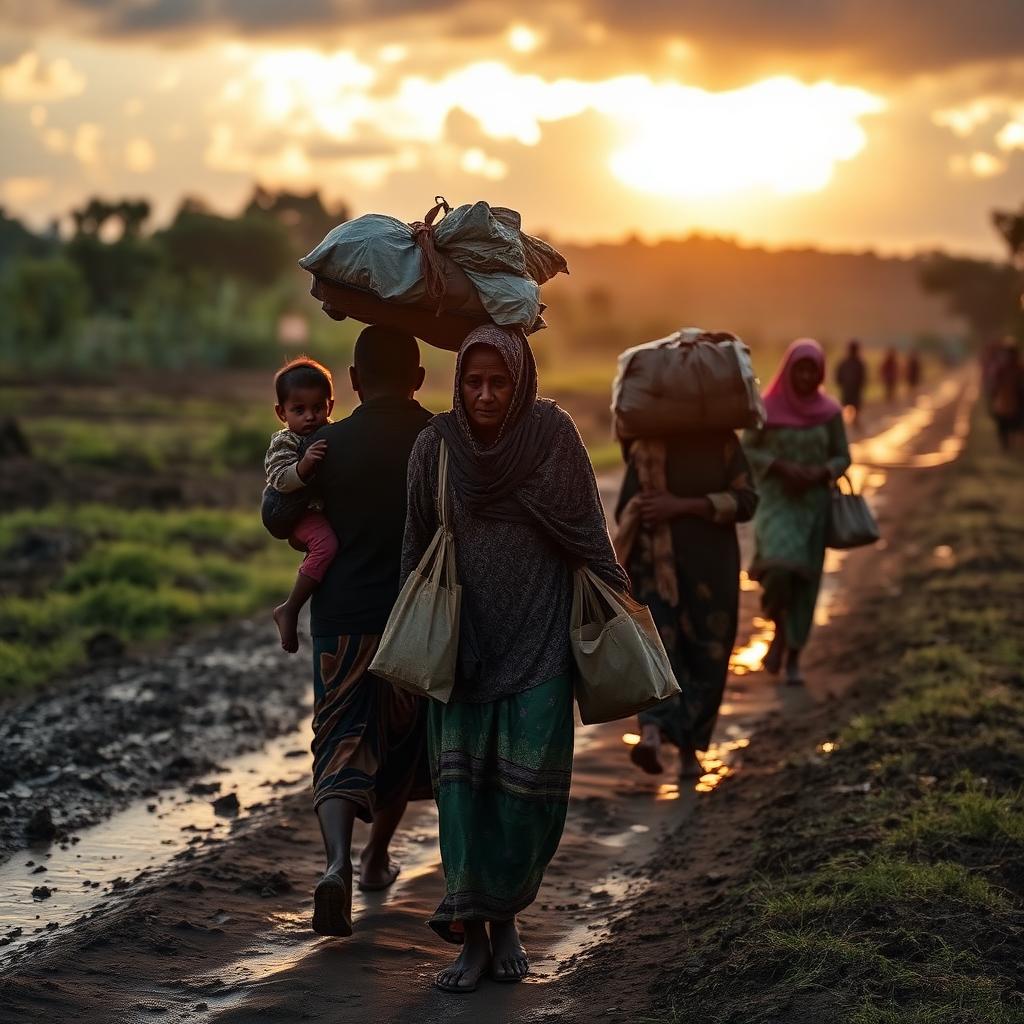
Between 1978 and 2017, the Burmese military launched at least four major expulsions targeting the Rohingya. Operation Naga Min (1978), Pyi Thaya (1991–92), the 2012 Rakhine pogroms, and finally the 2016–2017 'clearance operations' that the UN-mandated investigation concluded carried the hallmarks of genocide. In just one month — August 2017 — more than 750,000 Rohingya were driven across the Naf River into Bangladesh.
- 1
1978 – 1992
Early Mass Expulsions
Operation Naga Min and Pyi Thaya — the playbook is written.
Read chapter
- 2
2012
2012 Rakhine Violence
Pogroms and internment; Rohingya villages burned across northern Rakhine.
Read chapter
- 3
2016 – 2017
2016–2017 Clearance Operations
Recognised by UN investigators as bearing genocidal intent. 750,000+ flee in weeks.
Read chapter
Justice & The Present · 2017 – present
Camps, courts, and an unfinished story
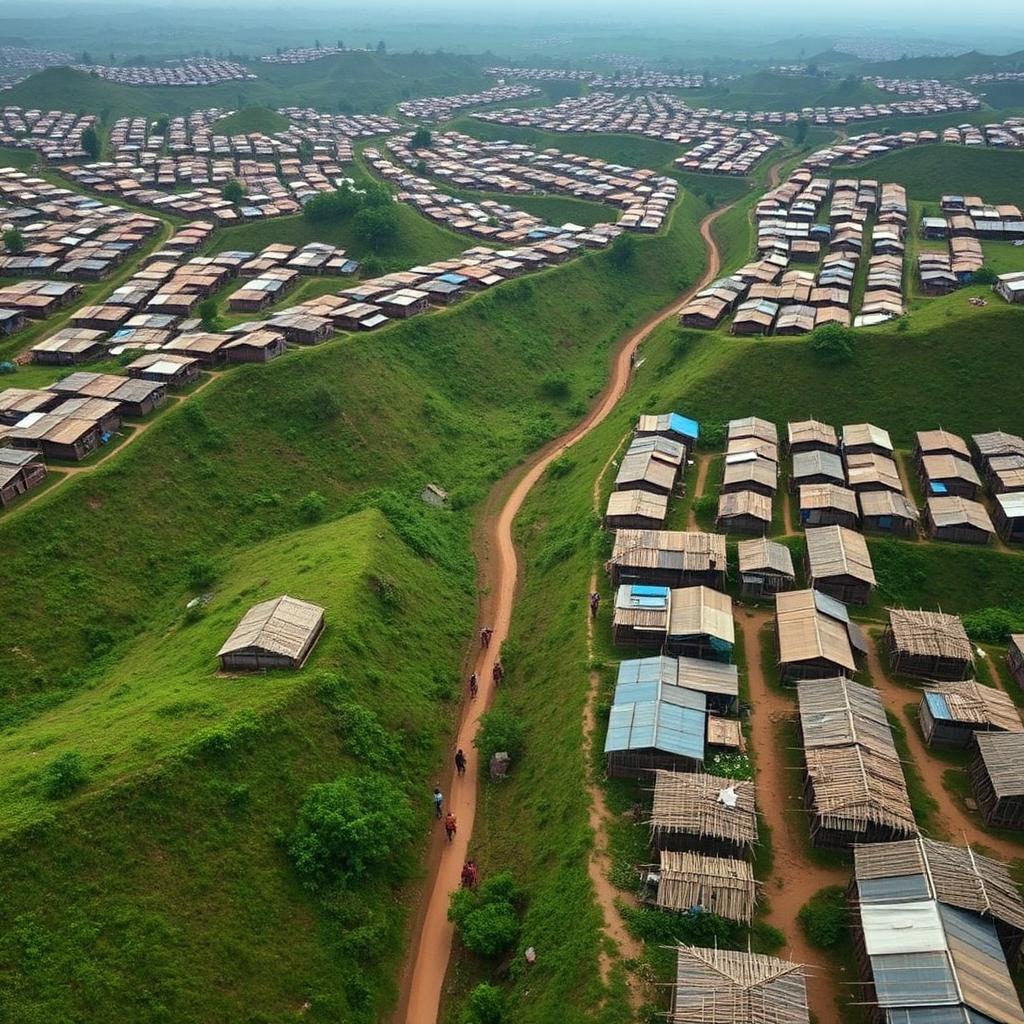
Today, more than 1.6 million Rohingya live as refugees in Bangladesh — most in the camps of Cox's Bazar, the largest refugee settlement on Earth. The Gambia has filed a genocide case at the International Court of Justice; the ICC has opened a separate investigation. Inside Myanmar, the civil war between the junta and the Arakan Army has put Rohingya villages once again on the front line. The story is unfinished — and the world is now writing its part of it.
- 1
2019 – present
International Legal Cases
The Gambia v. Myanmar at the ICJ; the ICC investigation.
Read chapter
- 2
2017 – present
Life in the Refugee Camps
Cox's Bazar, Bhasan Char, and the daily reality of statelessness.
Read chapter
- 3
Present
The Rohingya Today
Civil war in Rakhine, dwindling rations, and a global diaspora pushing forward.
Read chapter
Have a question history can't answer?
Ask the Rohingya Assistant — trained on human-rights reporting, UN documents, and the chapters of this site.
Open the Assistant