Population

Where the Rohingya live today

Roughly 3.5–4 million Rohingya are alive today, spread across more than 25 countries. Estimates below draw on UNHCR (Oct 2025), IOM DTM, OHCHR, HRW World Report 2025, Fortify Rights, Refugees International, and diaspora organisations. Numbers are ranges — statelessness and lack of official records make precise counts impossible.

Estimated global population

~3.5 – 4M

Across Myanmar, Bangladesh, and a diaspora spanning 25+ countries.

In Bangladesh refugee camps

~1.6M

Cox's Bazar (34 camps) plus ~36,000 on Bhasan Char — the world's largest refugee complex.

Still inside Myanmar

~600k

In Rakhine State — ~140,000 confined to IDP camps since 2012; new displacement from the 2024 Arakan Army offensive.

New arrivals in Bangladesh (late 2024 – 2025)

~150k

UNHCR estimate for the fresh influx driven by fighting in Buthidaung, Maungdaw, and Rathedaung.

Estimated population by country

Midpoints in thousands. Diaspora numbers are particularly uncertain — many Rohingya hold no documents recognising them.

Refugees in Bangladesh

Distribution across the main settlements.

Why numbers are estimates

The Rohingya have been excluded from Myanmar's census system since at least 2014. Statelessness, irregular migration, and undocumented diaspora communities make precise figures impossible. The numbers on this page should be read as informed estimates from UN agencies and major NGOs — useful for scale, not as exact counts.

Inside Myanmar, ongoing conflict in Rakhine State — now between the junta and the Arakan Army — continues to displace civilians. Outside Myanmar, every new boat tragedy in the Andaman Sea is a reminder that these figures describe people, not statistics.

Ranked by population

The Rohingya, everywhere

Every country with a documented Rohingya community, ordered largest to smallest: Bangladesh, Myanmar, Saudi Arabia, Pakistan, Malaysia, the UAE, India, the US, and on across the diaspora. Each card carries a photo of the country and a photo of Rohingya life there.

Bangladesh landscape
South Asia

Bangladesh

Cox's Bazar (34 camps incl. Kutupalong–Balukhali & Nayapara), Bhasan Char, and host communities

Estimated population

~1.45 – 1.60 million

Status & community

Home to the world's largest refugee settlement. UNHCR counted 1.09 million registered Rohingya in Cox's Bazar plus ~36,000 on Bhasan Char at end-2024; renewed violence in Rakhine drove roughly 150,000 new arrivals between late-2024 and mid-2025, pushing the total back toward 1.5 million. Not recognised as refugees under Bangladeshi law. WFP rations were cut, restored, and squeezed again during the 2024–25 funding crisis, sitting near US$12 per person per month; child acute malnutrition tops 15%. Rohingya cannot legally work, leave the camps, or attend Bangladeshi schools, and armed groups (ARSA, RSO) increasingly compete for control inside the camps.

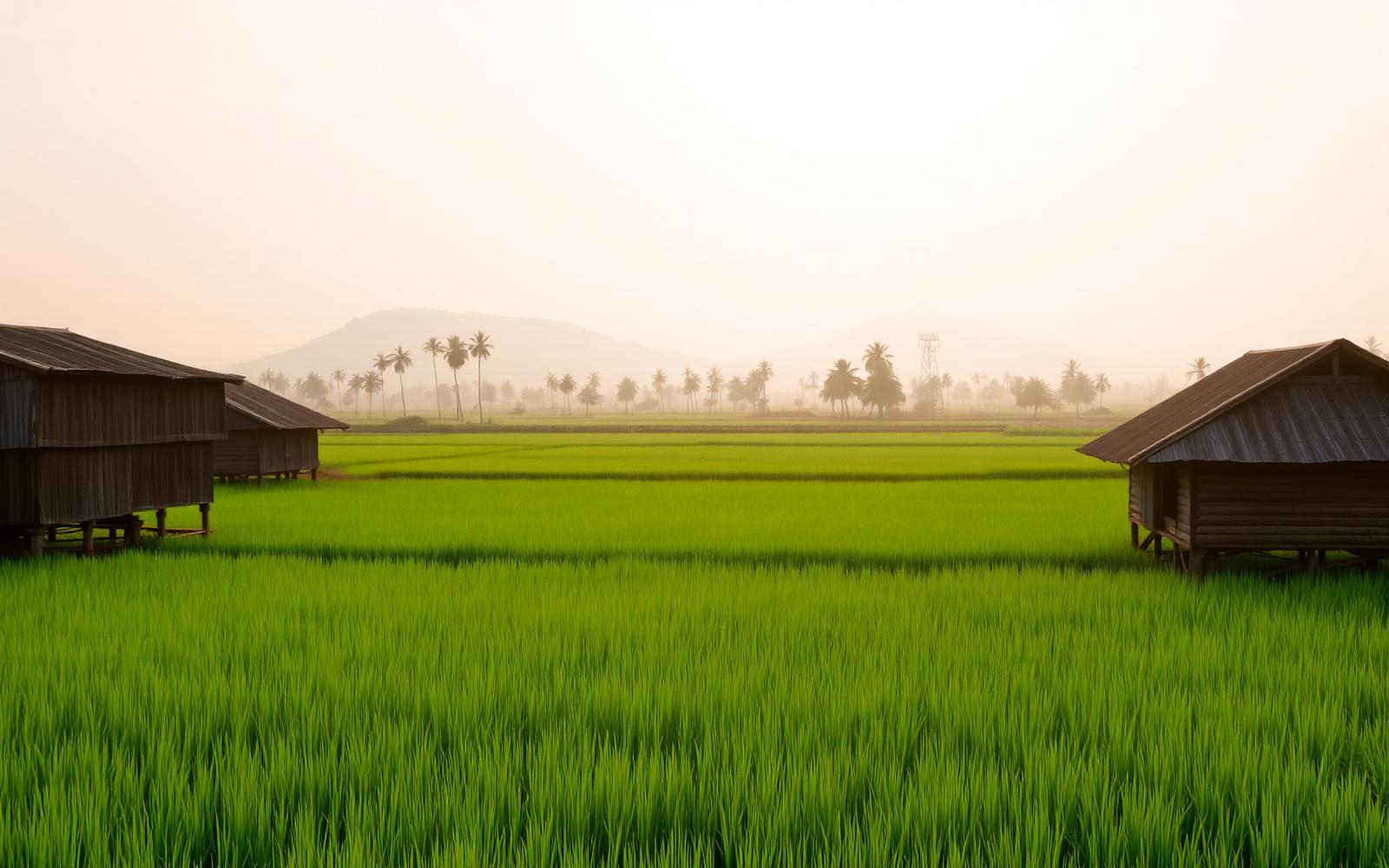
Myanmar landscape
Origin

Myanmar

Rakhine State — Sittwe, Buthidaung, Maungdaw, Rathedaung; IDP camps around Sittwe

Estimated population

~550,000 – 630,000 (decreasing)

Status & community

Ancestral homeland. Rendered stateless by the 1982 Citizenship Law. Around 140,000 remain confined to IDP camps near Sittwe — HRW still calls them an 'open-air prison' 13 years on. Since the 2021 coup Rohingya men have been forcibly conscripted by the junta, while the Arakan Army seized most of northern Rakhine in 2024, with Buthidaung and Maungdaw townships largely burned in the fighting. Movement, marriage, education, and healthcare are all restricted; a new wave of atrocities in 2024 pushed tens of thousands across the Naf River into Bangladesh.
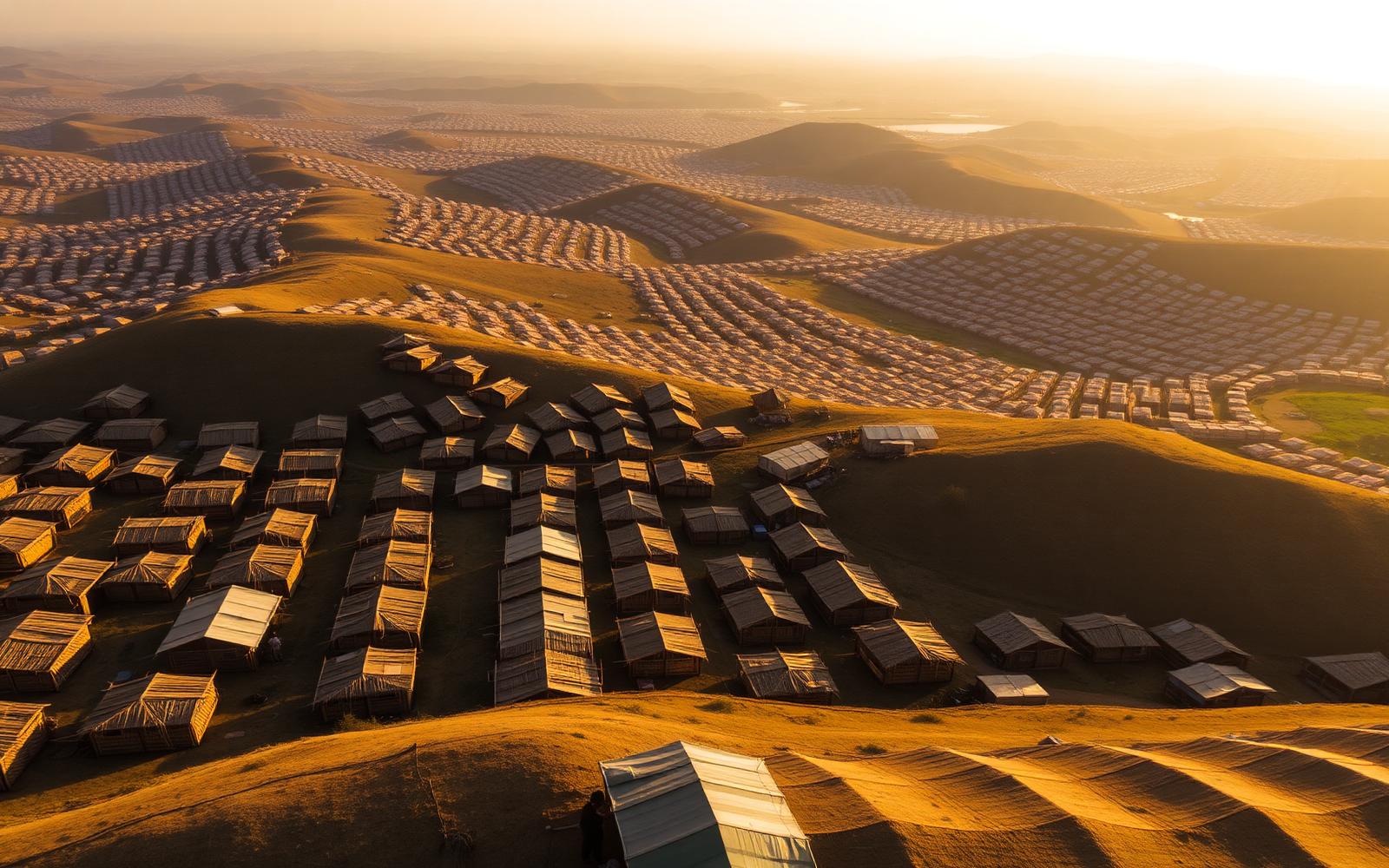
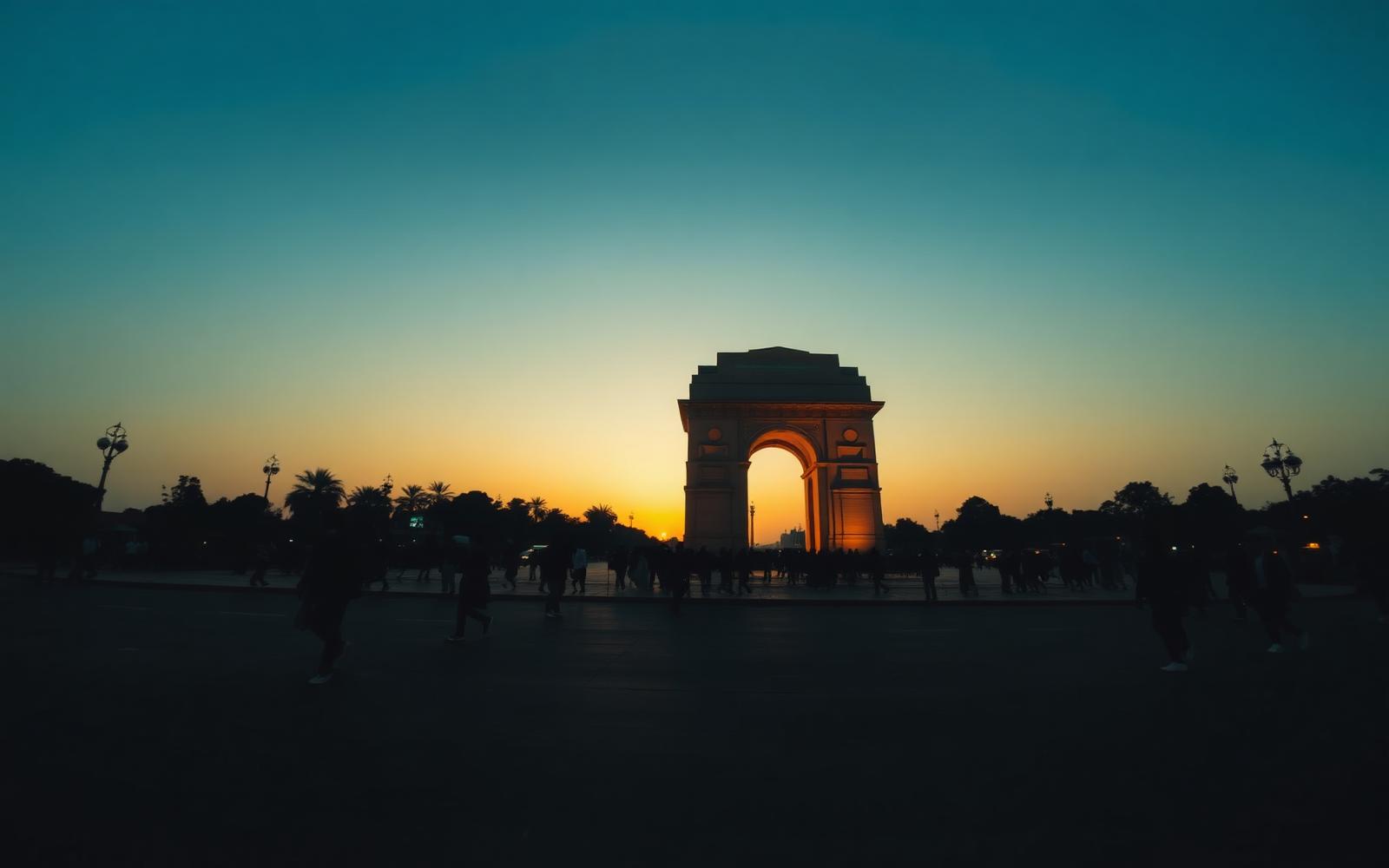
Saudi Arabia landscape
Middle East

Saudi Arabia

Mecca, Medina, Jeddah, Riyadh, Ta'if

Estimated population

~300,000 – 500,000

Status & community

One of the oldest and largest Rohingya diasporas — many arrived on Hajj or Umrah visas from the 1970s onward and remained under successive royal decrees. Most still hold Bangladeshi, Pakistani, or expired Burmese travel documents rather than Saudi nationality; a minority obtained residency (iqama) via the 2010s regularisation drive. The rest live in Mecca's older quarters vulnerable to detention and deportation.

Pakistan landscape
South Asia

Pakistan

Karachi — Burmi Colony, Arakanabad, Machar Colony, Ziaul Haq Colony; smaller communities in Lahore

Estimated population

~150,000 – 350,000

Status & community

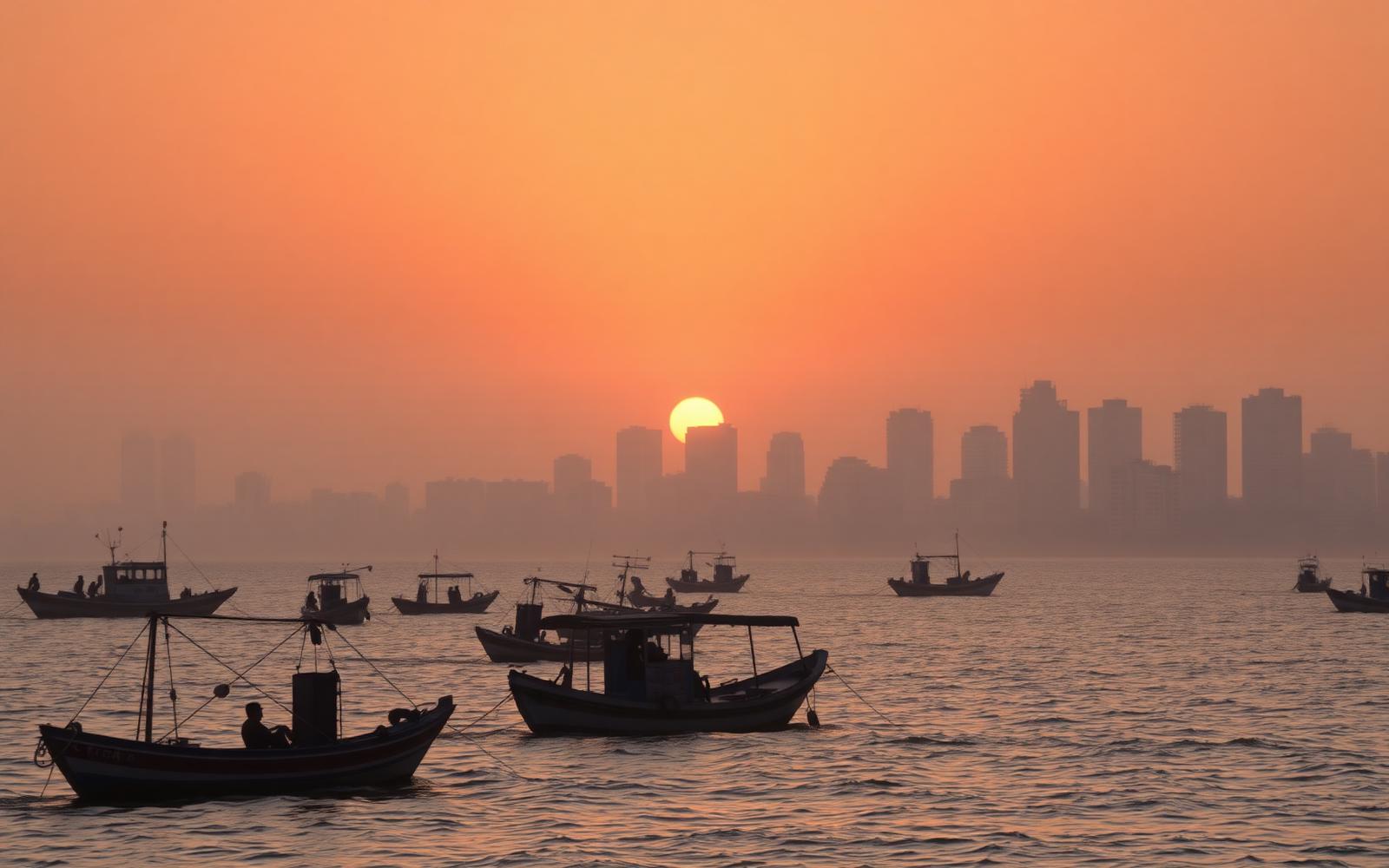
Descendants of Rohingya who fled the 1948–52 and 1978 expulsions, plus later 1990s arrivals. Most are undocumented — the 2000 Citizenship Act excludes them and CNIC applications are routinely refused. They dominate parts of Karachi's fishing and shrimp-peeling economy, and are periodically caught up in Pakistan's undocumented-foreigner deportation drives (renewed 2023–2025).

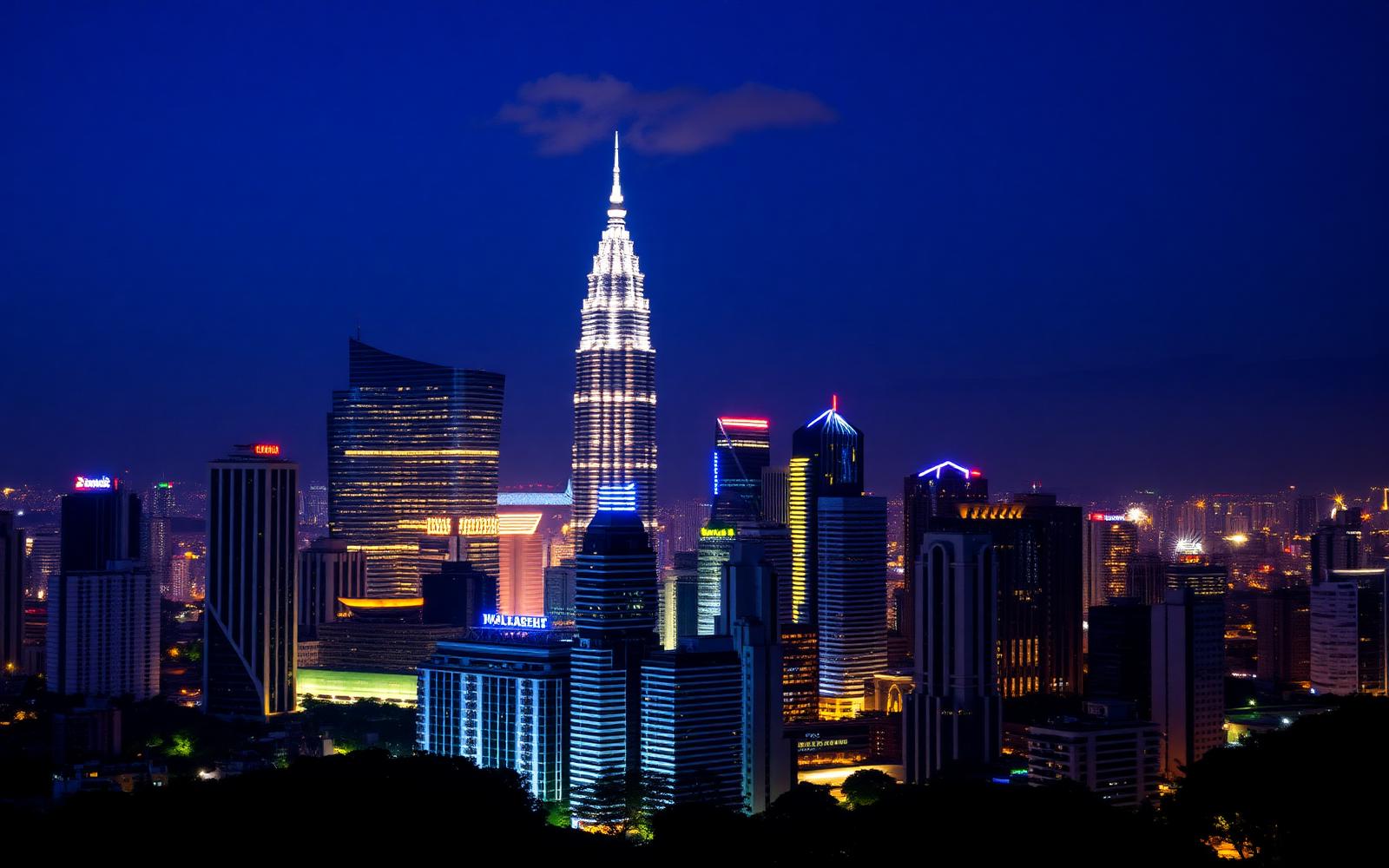
Malaysia landscape
Southeast Asia

Malaysia

Klang Valley (Kuala Lumpur, Selangor, Ampang, Cheras), Penang, Johor Bahru

Estimated population

~110,000 UNHCR-registered (up to ~210,000 total)

Status & community

The largest UNHCR-registered Rohingya population in the world (≈113,000 as of mid-2025). Malaysia is not party to the 1951 Refugee Convention, so Rohingya have no legal right to work, formal education, or public healthcare; children born in Malaysia are stateless. Immigration raids and detention continue, and boat arrivals across the Andaman Sea persist despite pushbacks.

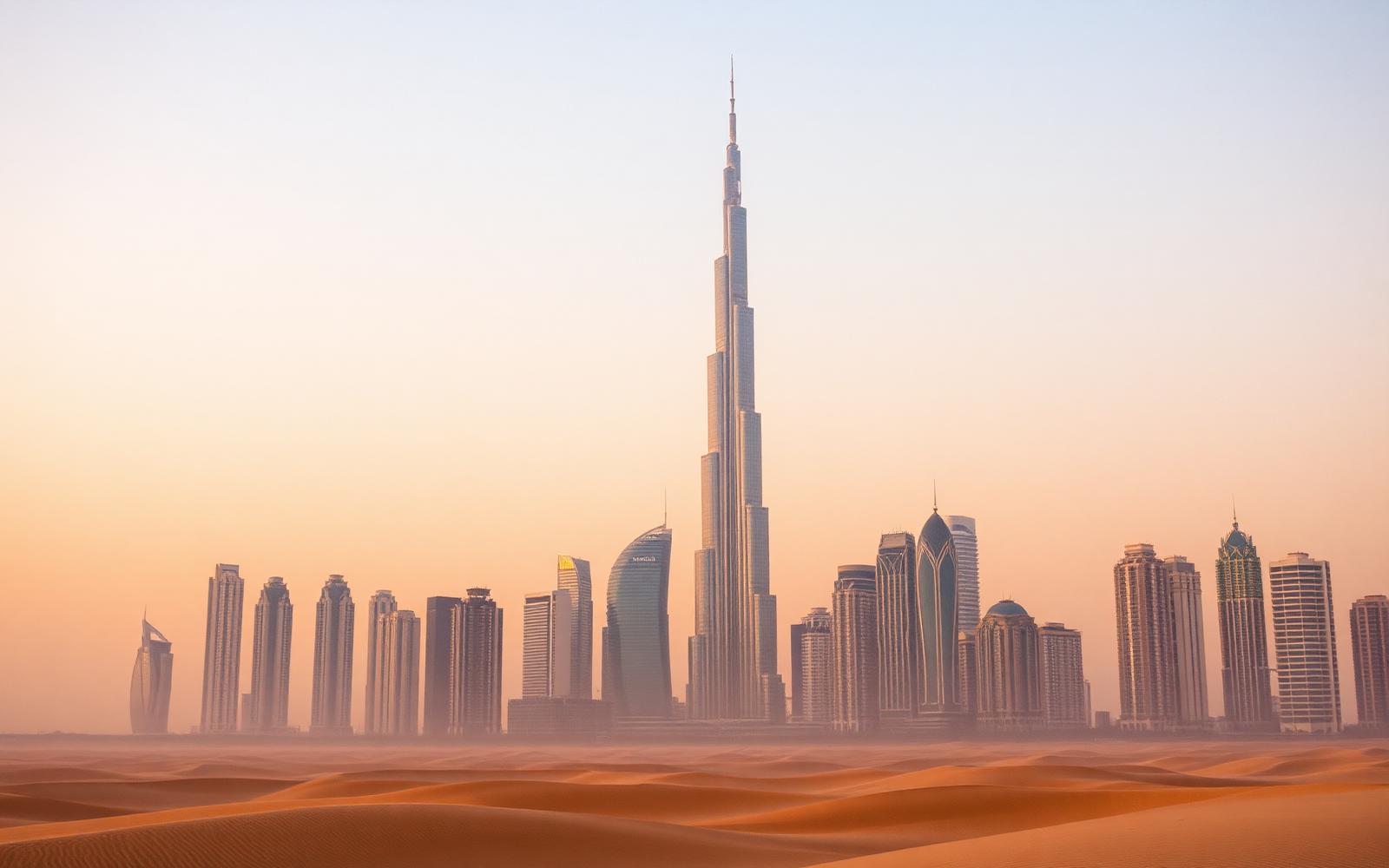
United Arab Emirates landscape
Middle East

United Arab Emirates

Sharjah, Dubai, Abu Dhabi, Ajman

Estimated population

~50,000 – 80,000

Status & community

Long-standing community, most working in construction, retail, transport, and small trading. Hold work visas tied to sponsors (kafala); no path to Emirati citizenship. Many carry Bangladeshi or Pakistani passports of convenience obtained decades ago.

India landscape
South Asia

India

Jammu, Hyderabad, Delhi, Mewat, Nuh, Haryana, Kolkata, Chennai

Estimated population

~40,000 – 50,000 (~22,500 UNHCR-registered)

Status & community

India is not party to the Refugee Convention. Since 2017 the government has officially classed Rohingya as illegal migrants; hundreds have been detained in Jammu, Delhi, and Assam, and deportations to Myanmar resumed in 2021 and continued through 2024–25. Living conditions in Jammu and Delhi settlements have deteriorated after fires and demolitions; most children are excluded from state schools.

United States landscape
Americas

United States

Chicago (IL), Milwaukee (WI), Buffalo (NY), Houston & Dallas (TX), Atlanta (GA), Fort Wayne (IN), Kentucky

Estimated population

~25,000 – 35,000 resettled since 2014

Status & community

The largest Western resettlement community, referred by UNHCR mainly from Malaysia, Bangladesh, and Thailand. Green-card and naturalisation pathways are available. The Rohingya Culture Center Chicago, Rohingya American Society, and Burma Task Force USA lead advocacy; refugee admissions have fluctuated sharply with US policy shifts.

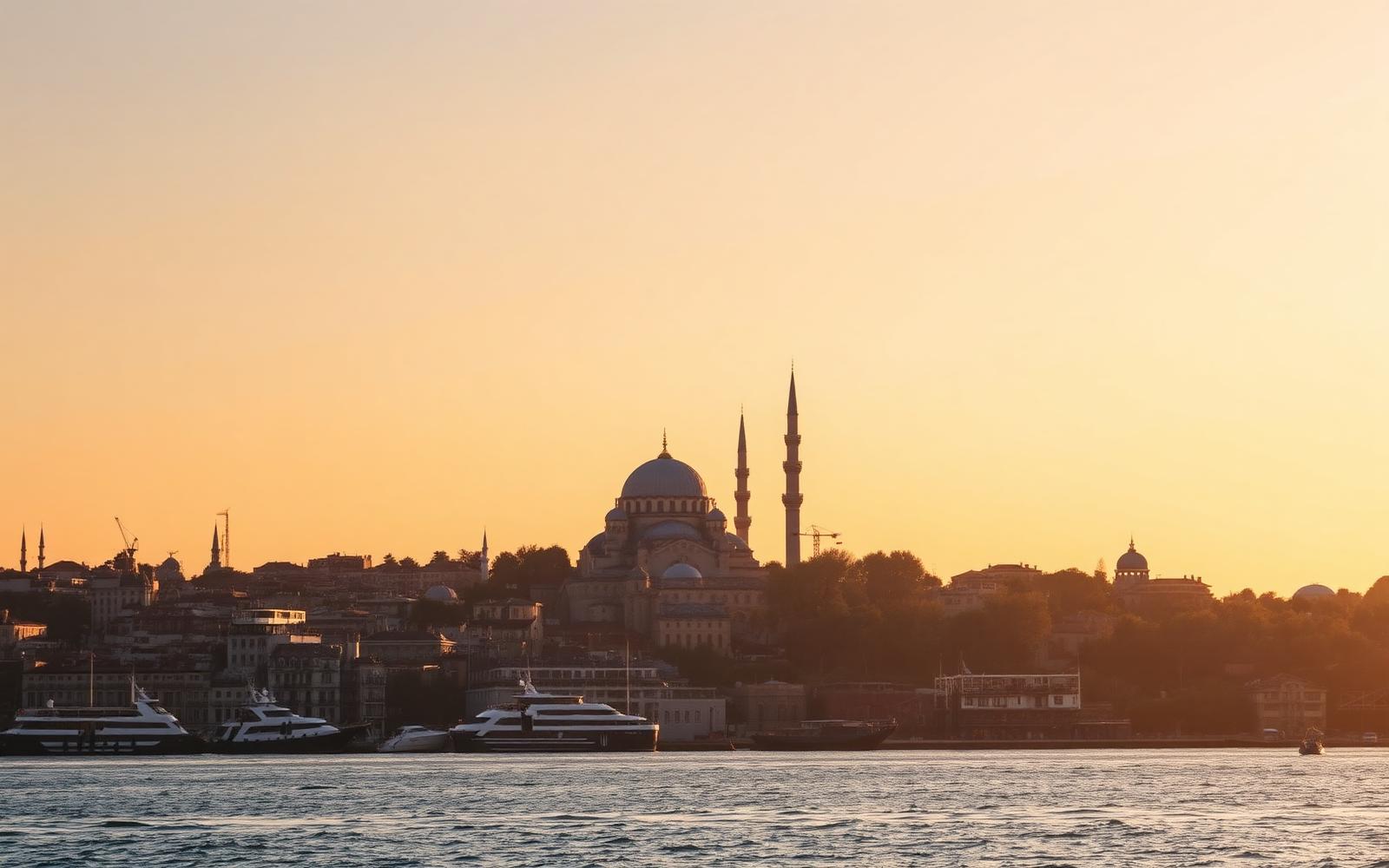
Türkiye landscape
Middle East

Türkiye

Istanbul, Kayseri, Ankara

Estimated population

~15,000 – 25,000

Status & community

Community grew after 2012, expanded significantly after 2017. Türkiye grants Rohingya conditional refugee status ('humanitarian residence permit'); AFAD and IHH have run resettlement projects in Kayseri. Rohingya organisations here are active advocates for the ICJ case.

Thailand landscape
Southeast Asia

Thailand

Southern Thailand (Ranong, Songkhla, Phang Nga), Bangkok, Mae Sot

Estimated population

~5,000 – 12,000

Status & community

Historically a transit country on the smuggling route to Malaysia; the 2015 discovery of mass graves in Songkhla exposed the trafficking network. Rohingya arrivals are routinely held in immigration detention with women and children in shelters. Thailand has no refugee protection framework and is not party to the 1951 Convention.

Canada landscape
Americas

Canada

Kitchener–Waterloo (ON), Toronto, Vancouver, Winnipeg

Estimated population

~6,500 – 9,000

Status & community

Resettled primarily under the Government-Assisted Refugee programme (2006–present) and private sponsorship. Canada was the first country whose parliament formally recognised the 2017 events as genocide (September 2018 House of Commons vote) and has since imposed Magnitsky sanctions on senior Tatmadaw officers.

Australia landscape
Oceania

Australia

Sydney, Melbourne, Adelaide, Brisbane

Estimated population

~3,500 – 6,000

Status & community

Includes people resettled from Malaysia and Bangladesh, plus a smaller group who arrived by boat before the 2013 offshore-processing regime. Australian Burmese Rohingya Organisation (ABRO) leads advocacy; some remain in limbo on Nauru or Papua New Guinea legacy caseloads.

Indonesia landscape
Southeast Asia

Indonesia

Aceh (Lhokseumawe, Pidie, Bireuen, Sabang), Medan, Makassar, Batam

Estimated population

~2,000 – 3,500

Status & community

Boat arrivals surged during the 2023–24 sailing seasons as Andaman Sea crossings rose; Acehnese fishermen rescued hundreds. Growing local backlash in 2024–25 has led to camp relocations and, in some cases, hostile crowds. UNHCR processes cases but Indonesia offers no permanent status — most hope for onward resettlement.

Germany landscape
Europe

Germany

Berlin, Hamburg, Cologne, North Rhine-Westphalia

Estimated population

~800 – 2,000

Status & community

Mix of resettled refugees and asylum seekers who arrived via Türkiye and the Balkan route from 2015 onward. Recognition rates for Rohingya asylum claims are very high given the documented persecution; Germany joined the Netherlands and others in intervening at the ICJ.

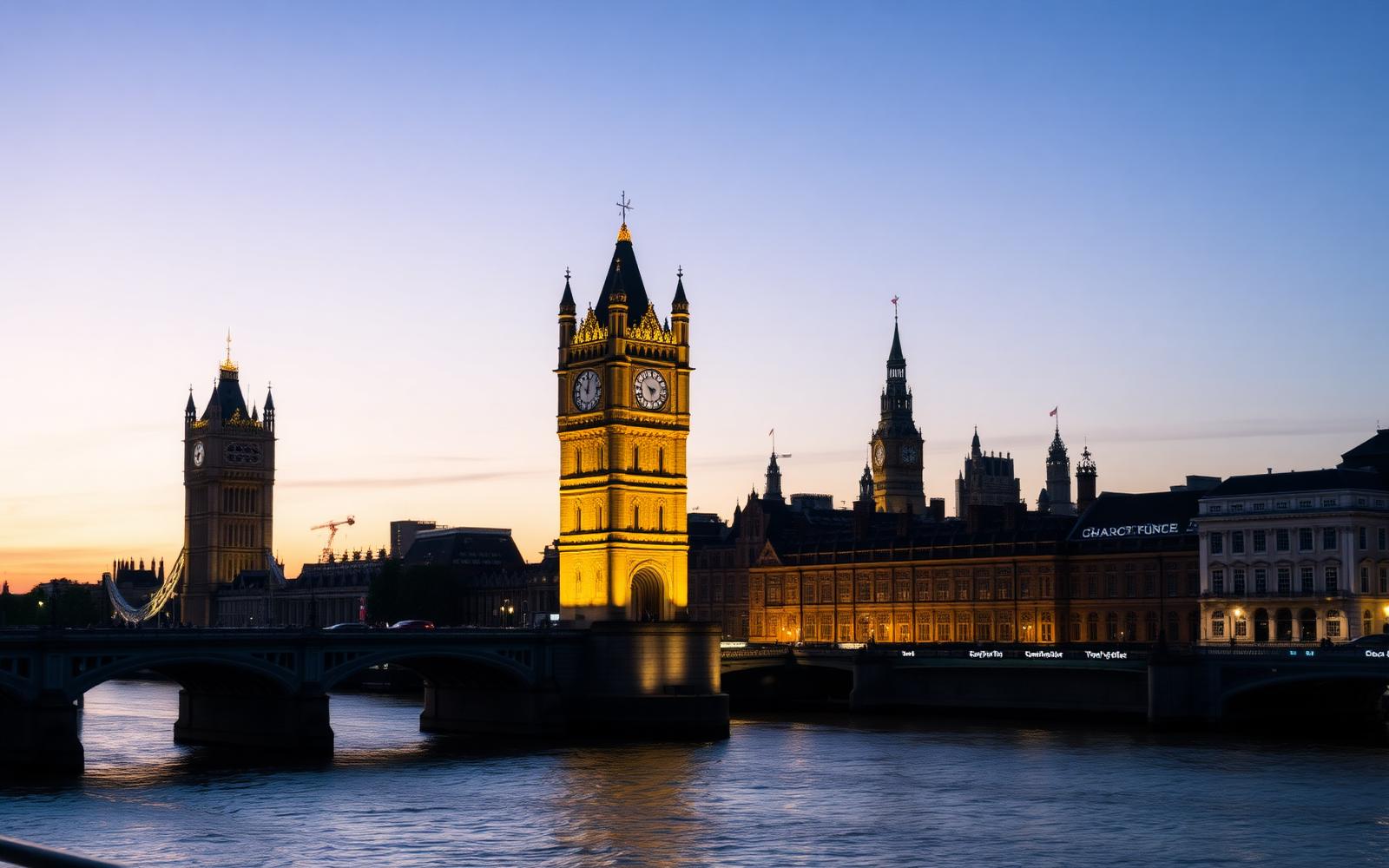
United Kingdom landscape
Europe

United Kingdom

Bradford, London, Manchester, Birmingham

Estimated population

~800 – 1,500

Status & community

Small but organised community; home of the Burmese Rohingya Organisation UK (BROUK), one of the most influential voices behind the ICJ genocide case. Bradford has hosted Rohingya since the early 2000s under the Gateway Protection Programme.

Nepal landscape
South Asia

Nepal

Kathmandu (Kapan settlement)

Estimated population

~400 – 700

Status & community

Small community that arrived after 2012. UNHCR-registered but with no right to work or access public services. Live in a single informal settlement on the outskirts of Kathmandu.

New Zealand landscape
Oceania

New Zealand

Auckland, Hamilton, Wellington

Estimated population

~250 – 600

Status & community

Resettled under NZ's refugee quota programme; Rohingya first arrived under the 2008 quota intake. Small but active community with full residency and citizenship pathways.

Japan landscape
Southeast Asia

Japan

Tatebayashi (Gunma), Tokyo, Saitama

Estimated population

~300 – 500

Status & community

Small community concentrated in Tatebayashi since the early 2000s, working in halal butchery, food processing, and used-car export. Japan grants only a tiny number of full refugee statuses; most Rohingya hold 'special permission to stay' or long-term resident visas.

Sweden landscape
Europe

Sweden

Malmö, Stockholm, Gothenburg

Estimated population

~200 – 600

Status & community

Received Rohingya asylum seekers from 2015 onward via the Balkan and Mediterranean routes. Small but growing community with full protection rights and strong civil-society support.

Netherlands landscape
Europe

Netherlands

Amsterdam, Rotterdam, The Hague

Estimated population

~150 – 400

Status & community

Small asylum-seeker community. The Netherlands (with Canada) formally intervened in The Gambia v. Myanmar at the ICJ in 2020 and again backed provisional measures in 2024.

Ireland landscape
Europe

Ireland

Carlow, Dublin

Estimated population

~150 – 300

Status & community

Small resettlement group hosted mainly in Carlow since 2009 under the Irish Refugee Protection Programme. Hold full residency rights; often cited as one of the more successfully integrated Rohingya communities in Europe.

By region

From Rakhine to Kitchener–Waterloo

The same communities, organised by region — origin, South Asia, Southeast Asia, the Middle East, Europe, the Americas, and Oceania.

Origin

Myanmar landscape
Origin

Myanmar

Rakhine State — Sittwe, Buthidaung, Maungdaw, Rathedaung; IDP camps around Sittwe

Estimated population

~550,000 – 630,000 (decreasing)

Status & community

Ancestral homeland. Rendered stateless by the 1982 Citizenship Law. Around 140,000 remain confined to IDP camps near Sittwe — HRW still calls them an 'open-air prison' 13 years on. Since the 2021 coup Rohingya men have been forcibly conscripted by the junta, while the Arakan Army seized most of northern Rakhine in 2024, with Buthidaung and Maungdaw townships largely burned in the fighting. Movement, marriage, education, and healthcare are all restricted; a new wave of atrocities in 2024 pushed tens of thousands across the Naf River into Bangladesh.
South Asia

Bangladesh landscape
South Asia

Bangladesh

Cox's Bazar (34 camps incl. Kutupalong–Balukhali & Nayapara), Bhasan Char, and host communities

Estimated population

~1.45 – 1.60 million

Status & community

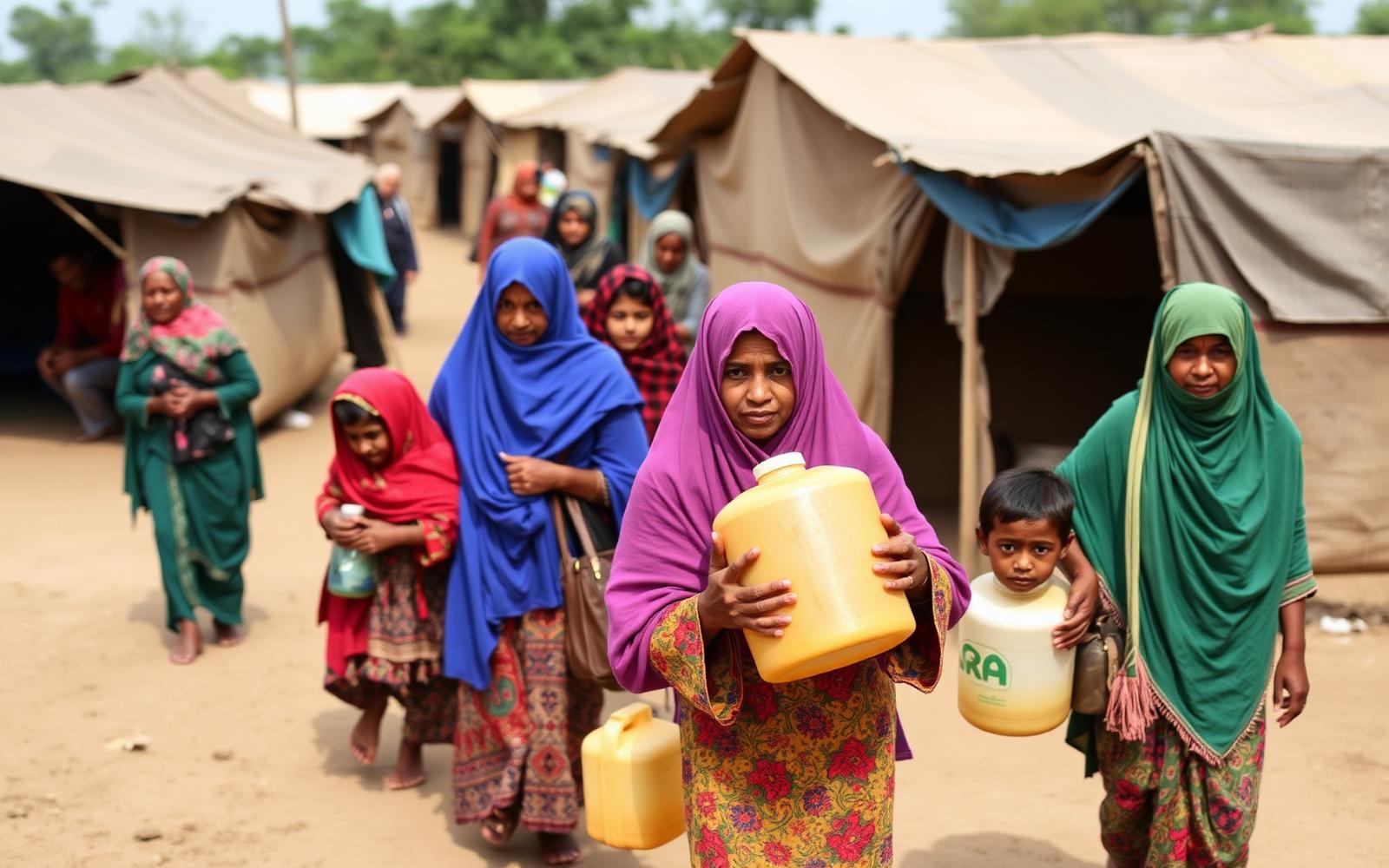
Home to the world's largest refugee settlement. UNHCR counted 1.09 million registered Rohingya in Cox's Bazar plus ~36,000 on Bhasan Char at end-2024; renewed violence in Rakhine drove roughly 150,000 new arrivals between late-2024 and mid-2025, pushing the total back toward 1.5 million. Not recognised as refugees under Bangladeshi law. WFP rations were cut, restored, and squeezed again during the 2024–25 funding crisis, sitting near US$12 per person per month; child acute malnutrition tops 15%. Rohingya cannot legally work, leave the camps, or attend Bangladeshi schools, and armed groups (ARSA, RSO) increasingly compete for control inside the camps.

Pakistan landscape
South Asia

Pakistan

Karachi — Burmi Colony, Arakanabad, Machar Colony, Ziaul Haq Colony; smaller communities in Lahore

Estimated population

~150,000 – 350,000

Status & community

Descendants of Rohingya who fled the 1948–52 and 1978 expulsions, plus later 1990s arrivals. Most are undocumented — the 2000 Citizenship Act excludes them and CNIC applications are routinely refused. They dominate parts of Karachi's fishing and shrimp-peeling economy, and are periodically caught up in Pakistan's undocumented-foreigner deportation drives (renewed 2023–2025).

India landscape
South Asia

India

Jammu, Hyderabad, Delhi, Mewat, Nuh, Haryana, Kolkata, Chennai

Estimated population

~40,000 – 50,000 (~22,500 UNHCR-registered)

Status & community

India is not party to the Refugee Convention. Since 2017 the government has officially classed Rohingya as illegal migrants; hundreds have been detained in Jammu, Delhi, and Assam, and deportations to Myanmar resumed in 2021 and continued through 2024–25. Living conditions in Jammu and Delhi settlements have deteriorated after fires and demolitions; most children are excluded from state schools.

Nepal landscape
South Asia

Nepal

Kathmandu (Kapan settlement)

Estimated population

~400 – 700

Status & community

Small community that arrived after 2012. UNHCR-registered but with no right to work or access public services. Live in a single informal settlement on the outskirts of Kathmandu.

Southeast Asia

Malaysia landscape
Southeast Asia

Malaysia

Klang Valley (Kuala Lumpur, Selangor, Ampang, Cheras), Penang, Johor Bahru

Estimated population

~110,000 UNHCR-registered (up to ~210,000 total)

Status & community

The largest UNHCR-registered Rohingya population in the world (≈113,000 as of mid-2025). Malaysia is not party to the 1951 Refugee Convention, so Rohingya have no legal right to work, formal education, or public healthcare; children born in Malaysia are stateless. Immigration raids and detention continue, and boat arrivals across the Andaman Sea persist despite pushbacks.

Thailand landscape
Southeast Asia

Thailand

Southern Thailand (Ranong, Songkhla, Phang Nga), Bangkok, Mae Sot

Estimated population

~5,000 – 12,000

Status & community

Historically a transit country on the smuggling route to Malaysia; the 2015 discovery of mass graves in Songkhla exposed the trafficking network. Rohingya arrivals are routinely held in immigration detention with women and children in shelters. Thailand has no refugee protection framework and is not party to the 1951 Convention.

Indonesia landscape
Southeast Asia

Indonesia

Aceh (Lhokseumawe, Pidie, Bireuen, Sabang), Medan, Makassar, Batam

Estimated population

~2,000 – 3,500

Status & community

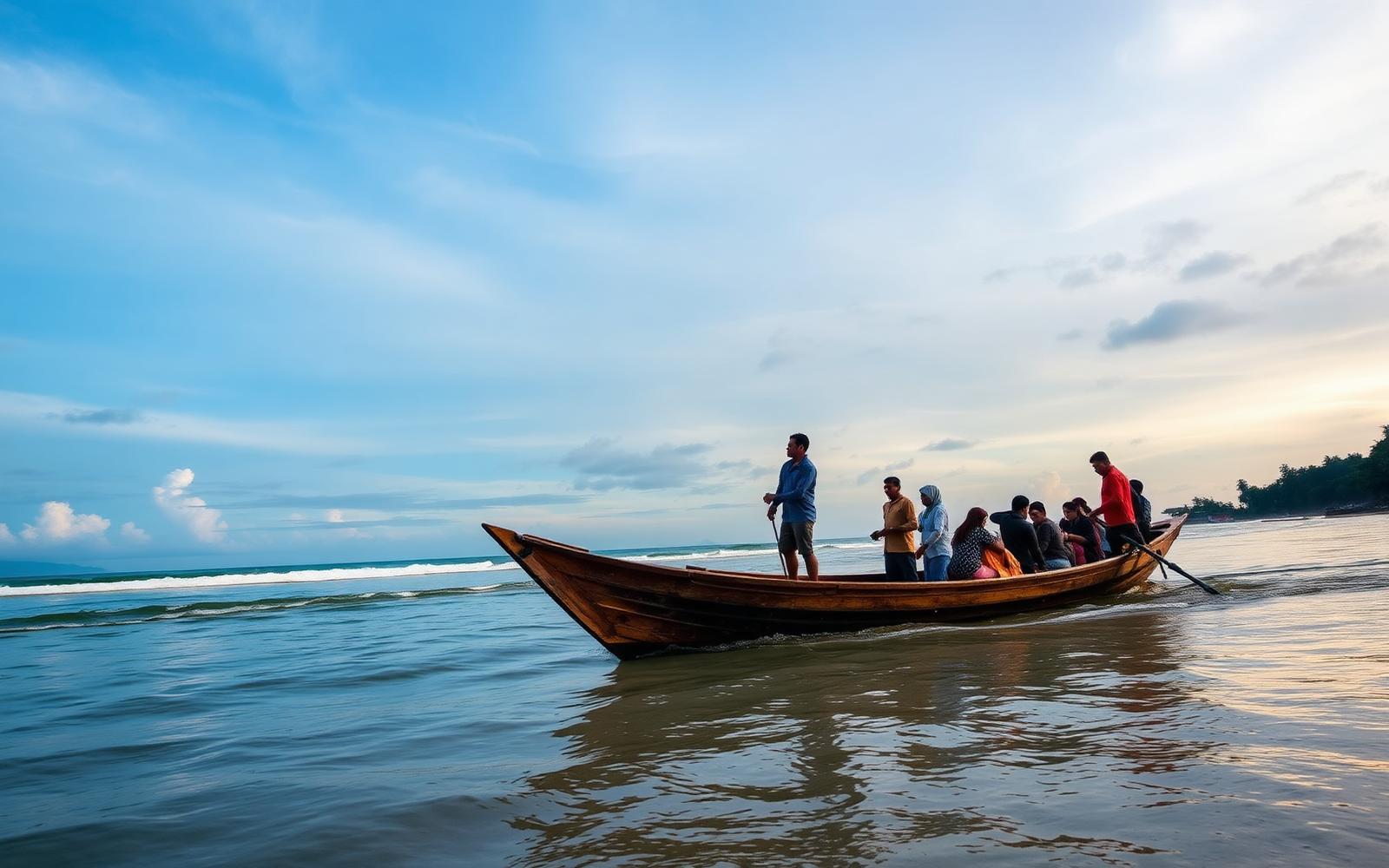
Boat arrivals surged during the 2023–24 sailing seasons as Andaman Sea crossings rose; Acehnese fishermen rescued hundreds. Growing local backlash in 2024–25 has led to camp relocations and, in some cases, hostile crowds. UNHCR processes cases but Indonesia offers no permanent status — most hope for onward resettlement.

Japan landscape
Southeast Asia

Japan

Tatebayashi (Gunma), Tokyo, Saitama

Estimated population

~300 – 500

Status & community

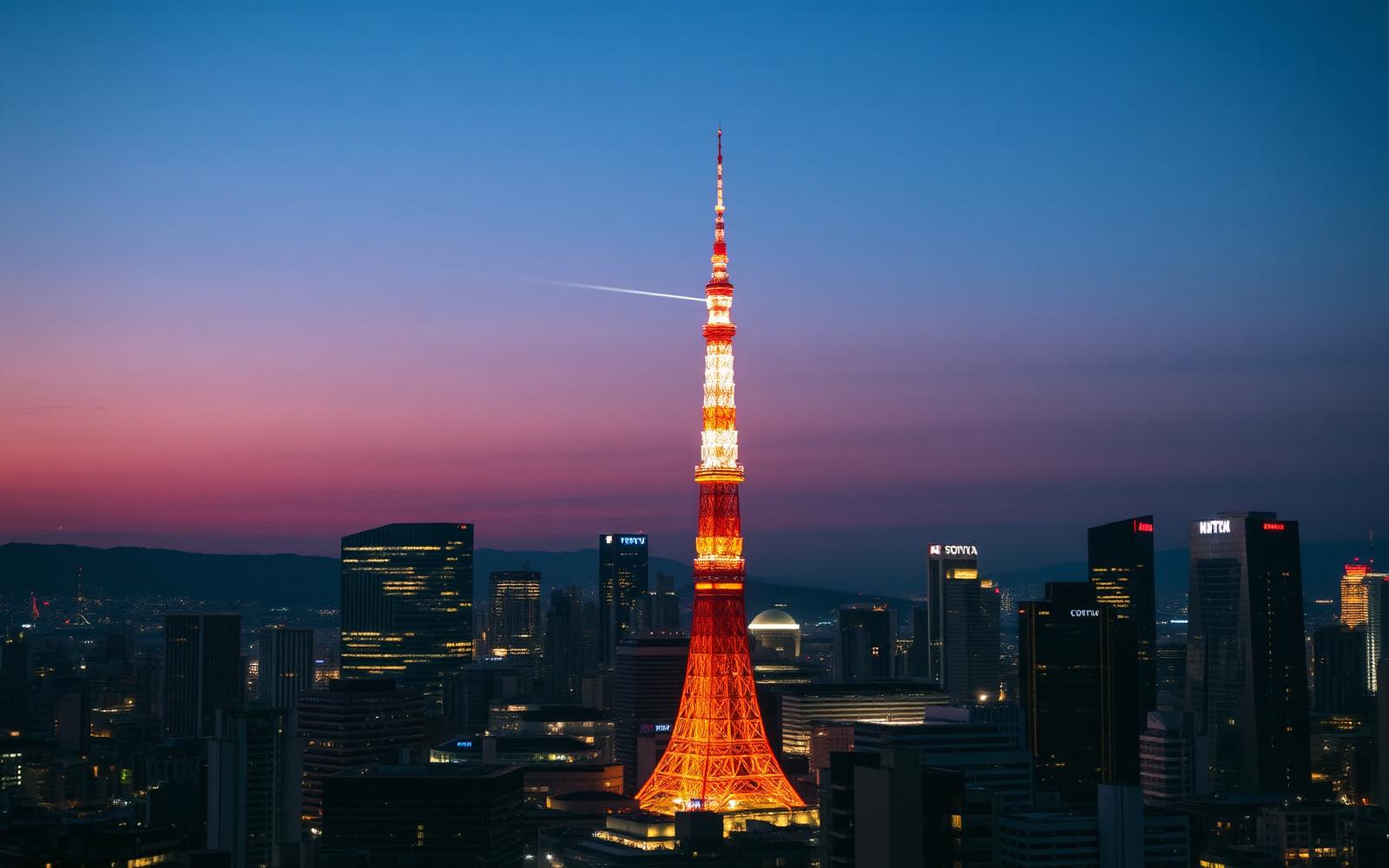
Small community concentrated in Tatebayashi since the early 2000s, working in halal butchery, food processing, and used-car export. Japan grants only a tiny number of full refugee statuses; most Rohingya hold 'special permission to stay' or long-term resident visas.

Middle East

Saudi Arabia landscape
Middle East

Saudi Arabia

Mecca, Medina, Jeddah, Riyadh, Ta'if

Estimated population

~300,000 – 500,000

Status & community

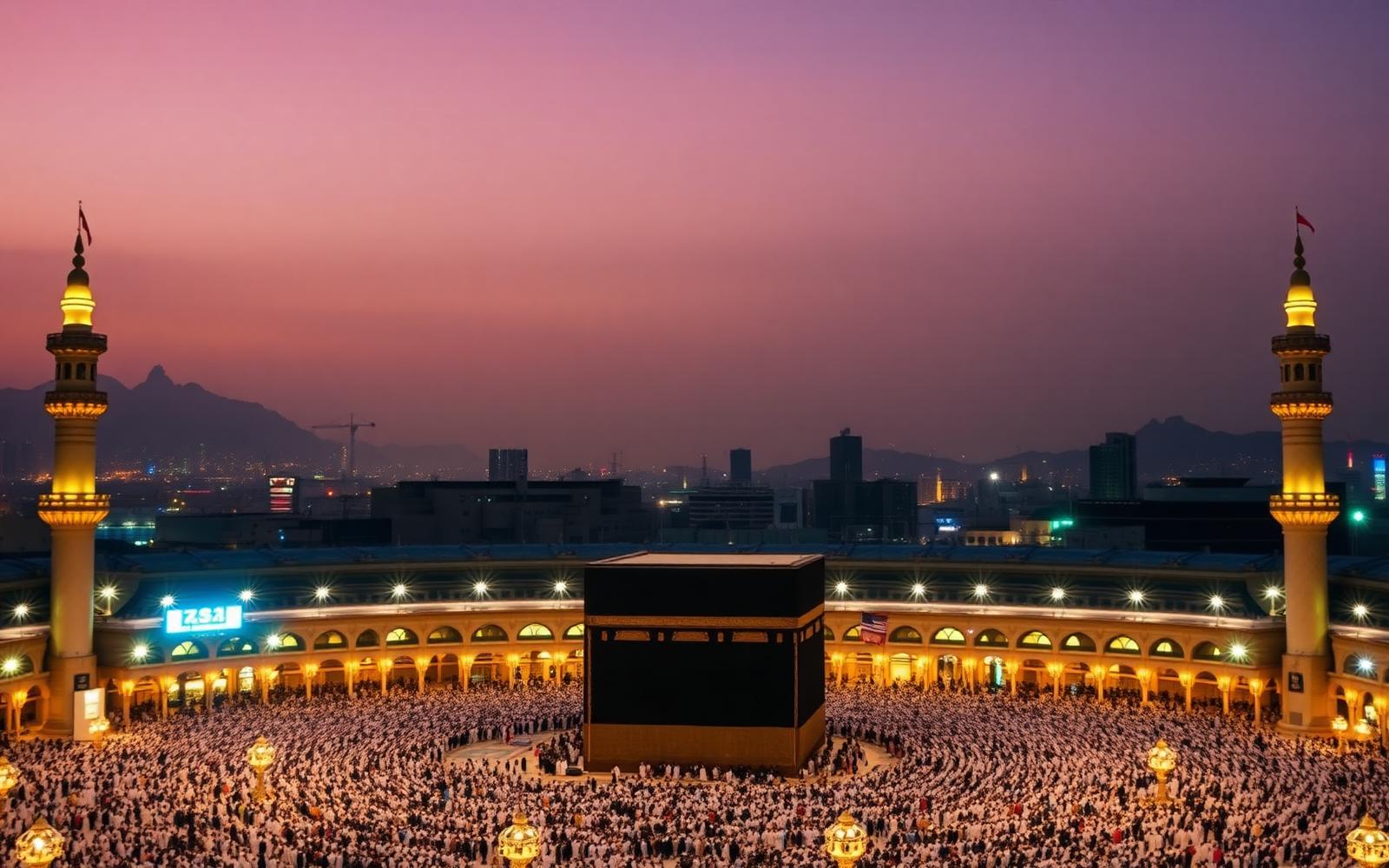
One of the oldest and largest Rohingya diasporas — many arrived on Hajj or Umrah visas from the 1970s onward and remained under successive royal decrees. Most still hold Bangladeshi, Pakistani, or expired Burmese travel documents rather than Saudi nationality; a minority obtained residency (iqama) via the 2010s regularisation drive. The rest live in Mecca's older quarters vulnerable to detention and deportation.

United Arab Emirates landscape
Middle East

United Arab Emirates

Sharjah, Dubai, Abu Dhabi, Ajman

Estimated population

~50,000 – 80,000

Status & community

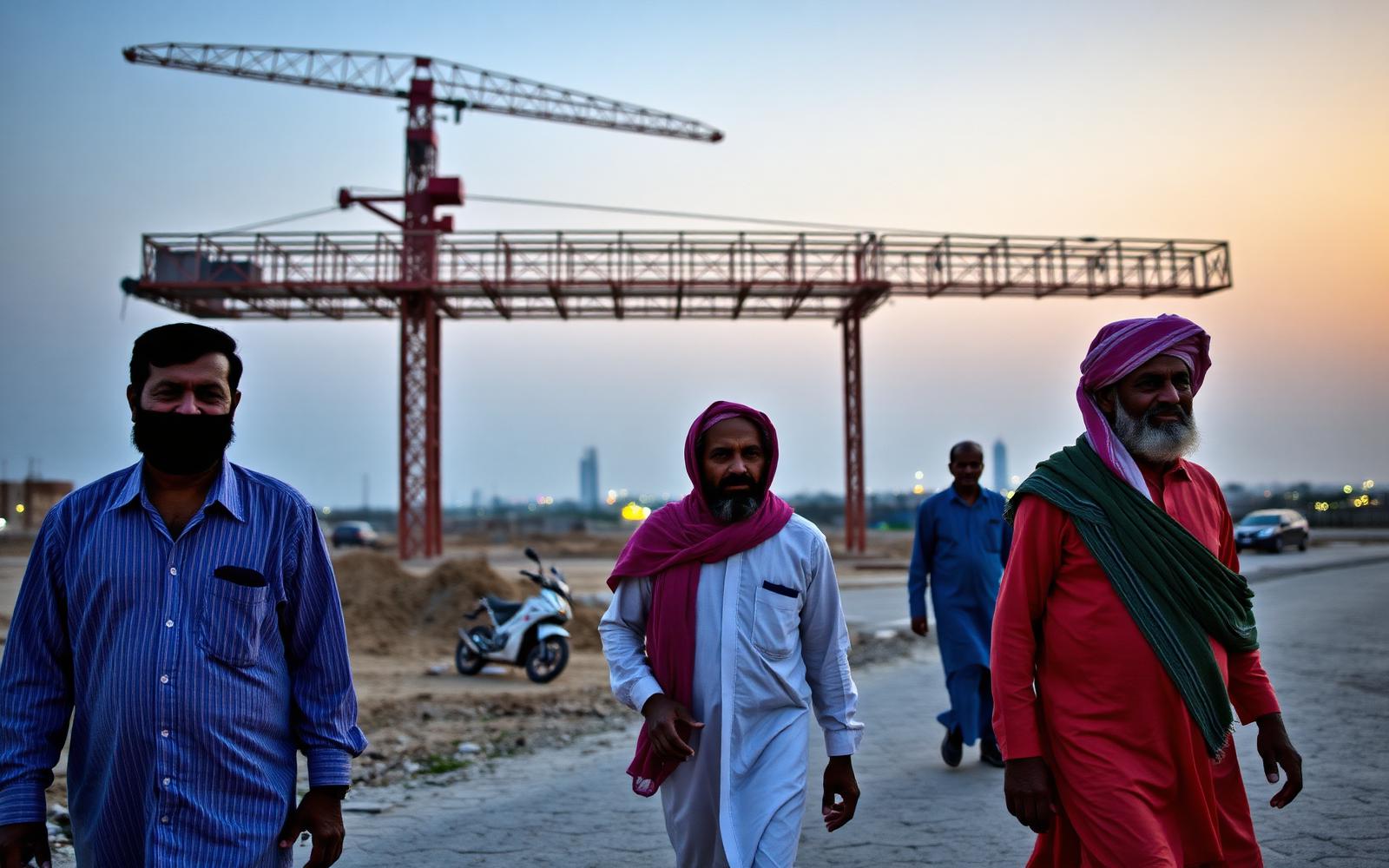
Long-standing community, most working in construction, retail, transport, and small trading. Hold work visas tied to sponsors (kafala); no path to Emirati citizenship. Many carry Bangladeshi or Pakistani passports of convenience obtained decades ago.

Türkiye landscape
Middle East

Türkiye

Istanbul, Kayseri, Ankara

Estimated population

~15,000 – 25,000

Status & community

Community grew after 2012, expanded significantly after 2017. Türkiye grants Rohingya conditional refugee status ('humanitarian residence permit'); AFAD and IHH have run resettlement projects in Kayseri. Rohingya organisations here are active advocates for the ICJ case.

Europe

United Kingdom landscape
Europe

United Kingdom

Bradford, London, Manchester, Birmingham

Estimated population

~800 – 1,500

Status & community

Small but organised community; home of the Burmese Rohingya Organisation UK (BROUK), one of the most influential voices behind the ICJ genocide case. Bradford has hosted Rohingya since the early 2000s under the Gateway Protection Programme.

Germany landscape
Europe

Germany

Berlin, Hamburg, Cologne, North Rhine-Westphalia

Estimated population

~800 – 2,000

Status & community

Mix of resettled refugees and asylum seekers who arrived via Türkiye and the Balkan route from 2015 onward. Recognition rates for Rohingya asylum claims are very high given the documented persecution; Germany joined the Netherlands and others in intervening at the ICJ.

Ireland landscape
Europe

Ireland

Carlow, Dublin

Estimated population

~150 – 300

Status & community

Small resettlement group hosted mainly in Carlow since 2009 under the Irish Refugee Protection Programme. Hold full residency rights; often cited as one of the more successfully integrated Rohingya communities in Europe.

Sweden landscape
Europe

Sweden

Malmö, Stockholm, Gothenburg

Estimated population

~200 – 600

Status & community

Received Rohingya asylum seekers from 2015 onward via the Balkan and Mediterranean routes. Small but growing community with full protection rights and strong civil-society support.

Netherlands landscape
Europe

Netherlands

Amsterdam, Rotterdam, The Hague

Estimated population

~150 – 400

Status & community

Small asylum-seeker community. The Netherlands (with Canada) formally intervened in The Gambia v. Myanmar at the ICJ in 2020 and again backed provisional measures in 2024.

Americas

United States landscape
Americas

United States

Chicago (IL), Milwaukee (WI), Buffalo (NY), Houston & Dallas (TX), Atlanta (GA), Fort Wayne (IN), Kentucky

Estimated population

~25,000 – 35,000 resettled since 2014

Status & community

The largest Western resettlement community, referred by UNHCR mainly from Malaysia, Bangladesh, and Thailand. Green-card and naturalisation pathways are available. The Rohingya Culture Center Chicago, Rohingya American Society, and Burma Task Force USA lead advocacy; refugee admissions have fluctuated sharply with US policy shifts.

Canada landscape
Americas

Canada

Kitchener–Waterloo (ON), Toronto, Vancouver, Winnipeg

Estimated population

~6,500 – 9,000

Status & community

Resettled primarily under the Government-Assisted Refugee programme (2006–present) and private sponsorship. Canada was the first country whose parliament formally recognised the 2017 events as genocide (September 2018 House of Commons vote) and has since imposed Magnitsky sanctions on senior Tatmadaw officers.

Oceania

Australia landscape
Oceania

Australia

Sydney, Melbourne, Adelaide, Brisbane

Estimated population

~3,500 – 6,000

Status & community

Includes people resettled from Malaysia and Bangladesh, plus a smaller group who arrived by boat before the 2013 offshore-processing regime. Australian Burmese Rohingya Organisation (ABRO) leads advocacy; some remain in limbo on Nauru or Papua New Guinea legacy caseloads.

New Zealand landscape
Oceania

New Zealand

Auckland, Hamilton, Wellington

Estimated population

~250 – 600

Status & community

Resettled under NZ's refugee quota programme; Rohingya first arrived under the 2008 quota intake. Small but active community with full residency and citizenship pathways.

How we got here

A condensed history

Fourteen turning points from the 7th century to today. Tap any entry to open the full chapter.

  1. 7th c.

    Muslim traders settle in Arakan

    Arab and Persian merchants along the Bay of Bengal coast begin the community that becomes the Rohingya.

  2. 1430 – 1784

    The Mrauk-U Kingdom

    A cosmopolitan Arakanese kingdom where Muslims and Buddhists coexisted; Persian and Arabic titles at court.

  3. 1784

    Burmese conquest of Arakan

    Bodawpaya annexes Arakan; tens of thousands of Muslims and Rakhine flee into Bengal.

  4. 1826 – 1948

    British Burma

    Arakan under British colonial rule; cross-border labour movement and shifting demographics.

  5. 1942

    WWII massacres in Arakan

    Communal violence during the Japanese invasion leaves tens of thousands of Rohingya dead.

  6. 1962

    Ne Win's military coup

    The junta begins systematically stripping Rohingya of political and civil rights.

  7. 1978

    Operation Nagamin

    First mass expulsion — around 200,000 Rohingya driven into Bangladesh.

  8. 1982

    Citizenship Law

    Three-tier citizenship structure excludes Rohingya from Myanmar's 135 'national races'.

  9. 1991 – 92

    Second mass expulsion

    Around 250,000 more Rohingya driven into Bangladesh during 'Operation Clean and Beautiful Nation'.

  10. 2012

    Rakhine State violence

    Communal riots; ~140,000 Rohingya confined to IDP camps around Sittwe that still exist today.

  11. 2016 – 17

    Clearance operations & genocide

    ~751,000 flee to Bangladesh; UN Fact-Finding Mission concludes genocidal intent.

  12. 2019

    The Gambia files at the ICJ

    First genocide case brought by a country with no direct connection to the crime.

  13. 2021

    Myanmar coup

    Full power returns to the generals accused of the 2017 genocide.

  14. 2024

    Arakan Army takes northern Rakhine

    New displacement, new killings; Rohingya civilians squeezed between the junta and the AA.

Situation now

Real-time issues

A curated feed of recent developments affecting Rohingya inside Myanmar, in the Bangladesh camps, on the Andaman Sea, and in the courts. Each item links to the primary source.

May 12, 2026UNHCR

Cox's Bazar operation faces funding gap of over 60% for 2026

UNHCR warns that without new pledges, food, shelter, and protection services for 1.5 million Rohingya could collapse further in the second half of the year.

Aid
Mar 4, 2026Reuters

Arakan Army consolidates control of northern Rakhine; Rohingya civilians squeezed

Rights monitors report new displacement, forced labour, and property confiscation in Buthidaung and Maungdaw townships since the AA takeover.

Displacement
Dec 18, 2025OHCHR / IIMM

IIMM annual report: evidence file on 2017 atrocities passes 2 million items

The UN Independent Investigative Mechanism for Myanmar says its evidence archive is now being shared with courts in The Gambia, Argentina, and Germany.

Justice
Sep 30, 2025WFP

WFP forced to hold Cox's Bazar rations at US$6 per person per month

The ration remains at less than half the level UN nutritionists say is needed; global acute malnutrition among children under five stays above 15%.

Aid
Jul 22, 2025Human Rights Watch

Junta conscripts Rohingya men into front-line units against the Arakan Army

HRW documents forced recruitment of Rohingya from IDP camps and villages under the 2010 People's Military Service Law — the same men whose citizenship the state denies.

Politics
Feb 14, 2025AP News

Argentina issues arrest warrants for Min Aung Hlaing and senior Myanmar generals

In the world's first universal-jurisdiction case on the Rohingya genocide, an Argentine federal court issues warrants against 25 named military officials.

Justice
Dec 11, 2024Al Jazeera

Deadliest year on the Andaman Sea since 2014

UNHCR records more than 8,000 Rohingya on maritime journeys in 2024; nearly one in ten did not survive. Landings continue on Indonesia's Aceh coast.

Sea crossings
Aug 5, 2024Fortify Rights

Drone and artillery attack in Maungdaw kills over 200 fleeing Rohingya

Investigation attributes the August 5 attack near the Naf River to Arakan Army forces; survivors describe corpses left on the riverbank as they tried to cross to Bangladesh.

Displacement
May 18, 2024BBC News

Buthidaung town burns as Arakan Army takes control

Satellite imagery confirms wide-scale fires in the majority-Rohingya town. Tens of thousands displaced with no functioning border to cross.

Displacement
Feb 6, 2024The Guardian

London court allows US$150bn Meta class action over Facebook and the 2017 genocide

The claim, brought on behalf of Rohingya refugees, argues Meta's algorithms amplified anti-Rohingya hate speech in Myanmar in the run-up to the military's clearance operations.

Justice
Jul 22, 2023ICJ

ICJ genocide case against Myanmar moves toward merits phase

The Gambia files its memorial in the merits phase of the case; The Netherlands, Canada, UK, Denmark, France, and Germany file joint declarations of intervention.

Justice
Mar 5, 2023Reuters

Massive fire tears through Balukhali camp; ~12,000 Rohingya lose their shelters

Fires — accidental and arson — remain a recurring threat across the densely packed camps of Cox's Bazar.

Camps

Sources: UNHCR, OHCHR / IIMM, WFP, Human Rights Watch, Fortify Rights, Reuters, AP, Al Jazeera, BBC, The Guardian, ICJ. This feed is curated by hand; new items are added as major developments are reported.